

Kit
Browse kit trays and practical tray ideas that help South African workshops keep the right tools close at hand.
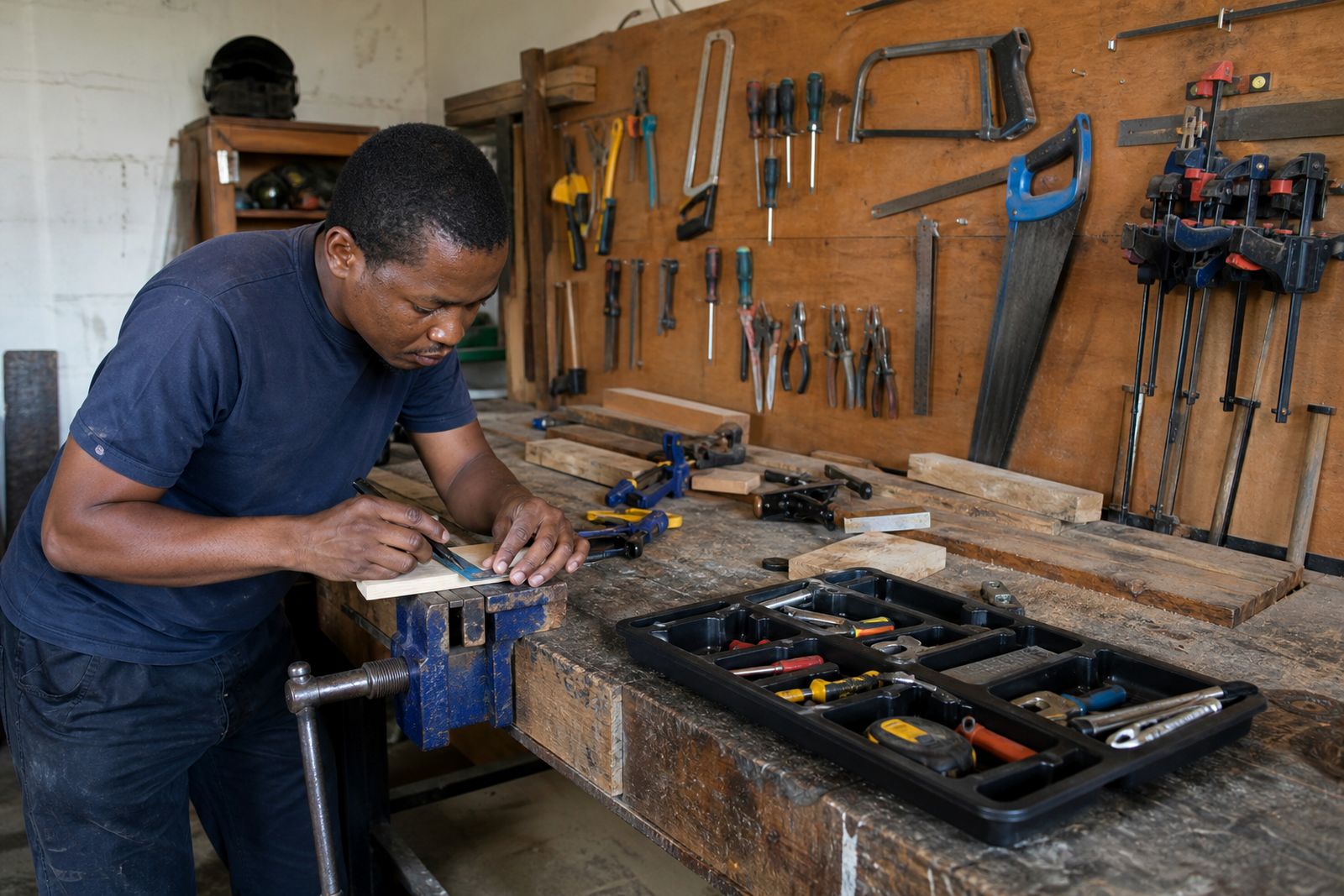
Start from the bench
Hobby sheds lean hobby shed start. Furniture leans edge kind. Read tray before catalogue before you widen the week.
Monday bench routes in order
Send questions about bench start, clamp lane or the Friday reset trays through our contact form. Tray notes are shaped by shared benches, Highveld dust, and South African plug and battery choices. Include the kit name you are considering so measurements, storage space and common bench tasks can be matched more accurately.
What these kits help you do
These kits are for the daily jobs that make a workshop run smoothly. Use them to keep parts organised, mark out clean cuts, fasten assemblies, handle glue-ups, and reach for the right tool without losing time at a busy bench.
They suit garage sheds, school workshops, maker corners and small production floors where the work changes from repair to assembly to finishing. If you are building a first setup, keep an eye on storage, bench space, grip, reach and how the kit will sit beside your workbench or pegboard.
What to check before you buy
Start with the task, then the tray. A tidy layout matters more than a crowded one. Check that the kit matches the way you work and the material you use most, whether that is timber, hardware, or mixed workshop jobs.
- Enough space for the tools you already reach for
- Clear access for measuring, marking and fastening
- Room for consumables, fixings and care items
- Comfortable handling with gloves or bare hands
- Storage that suits dust, rust and shared benches
If you are comparing options, use the names in the kit range as guides, such as measure right, fasten true and storage shed.
Use it well and keep it ready
Set the tray so the most used items sit closest to hand, then return each tool to the same place after use. That habit saves time, keeps the bench clear, and helps everyone in the shop work the same way.
Wipe tools after dusty jobs, brush off glue residue, and keep cutting and marking edges protected. In coastal areas, dry tools before packing them away. In drier inland workshops, keep an eye on dust build-up in trays, drawers and pegboard hooks.
For more practical set-up advice, see tips or ask a question through the contact form.
Kit
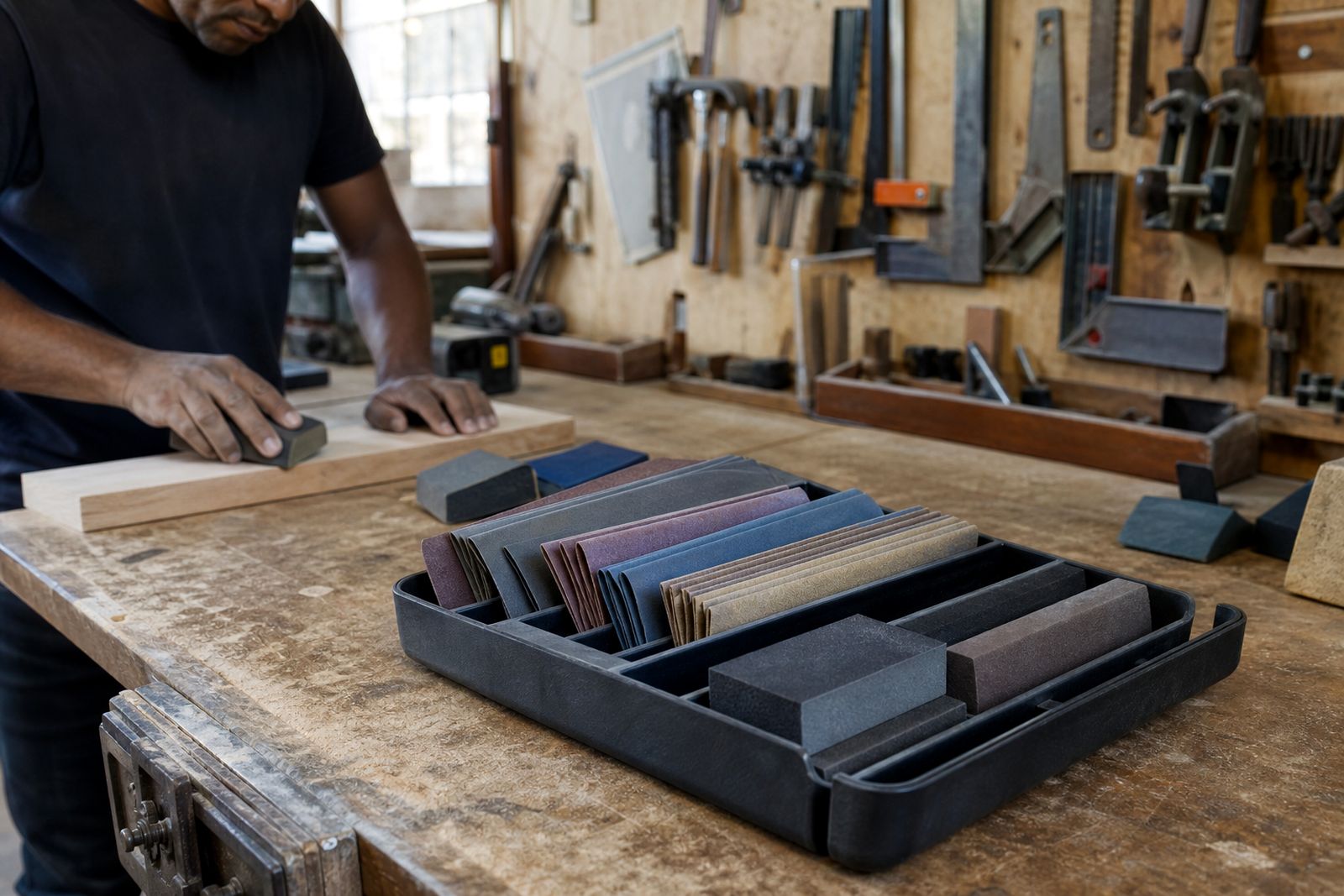
Abrasive Calm
Sanding sheets and blocks sequenced for less swirl and less waste.
Read more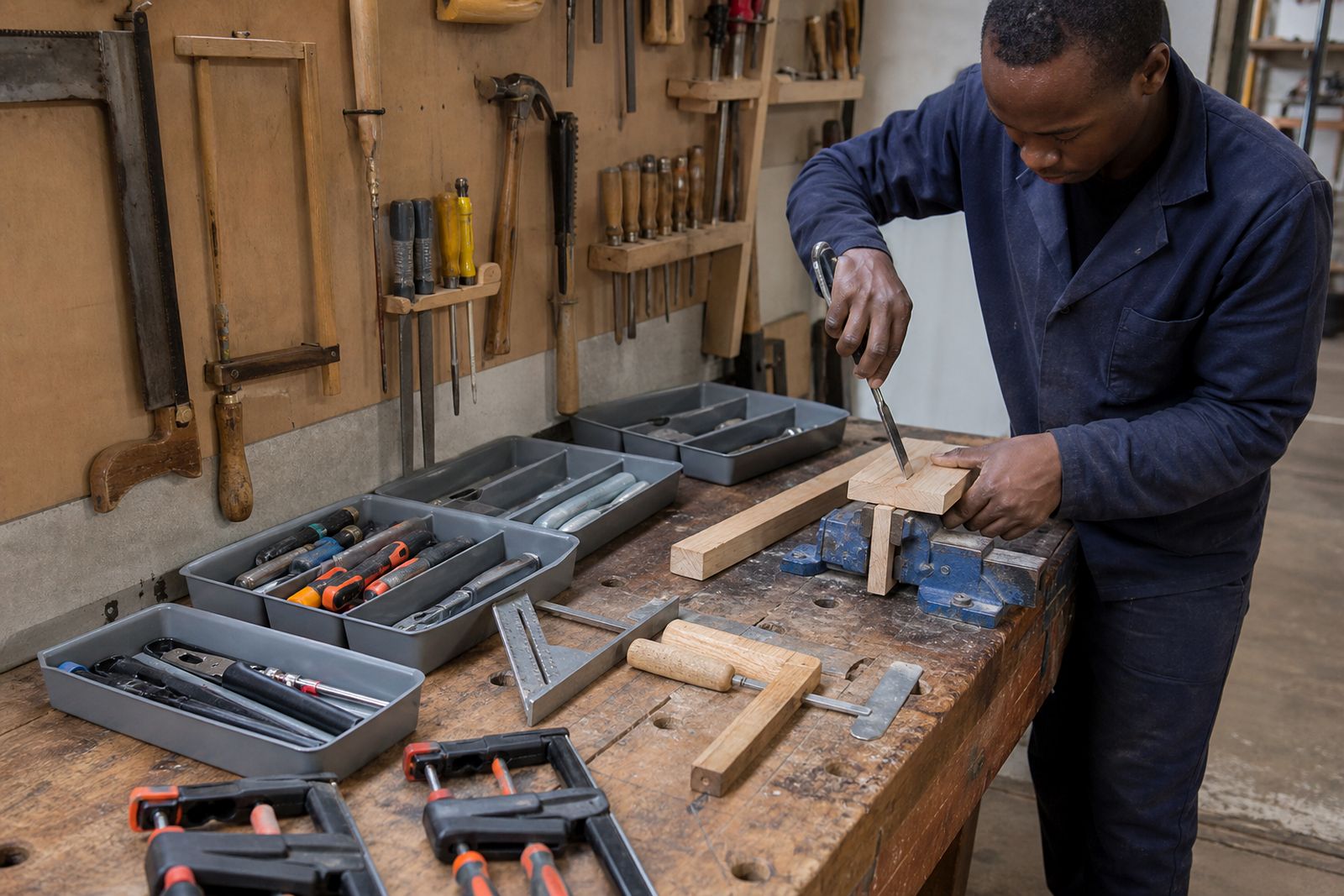
Bench Start
The considered basics for a cleaner, safer first workshop bench.
Read more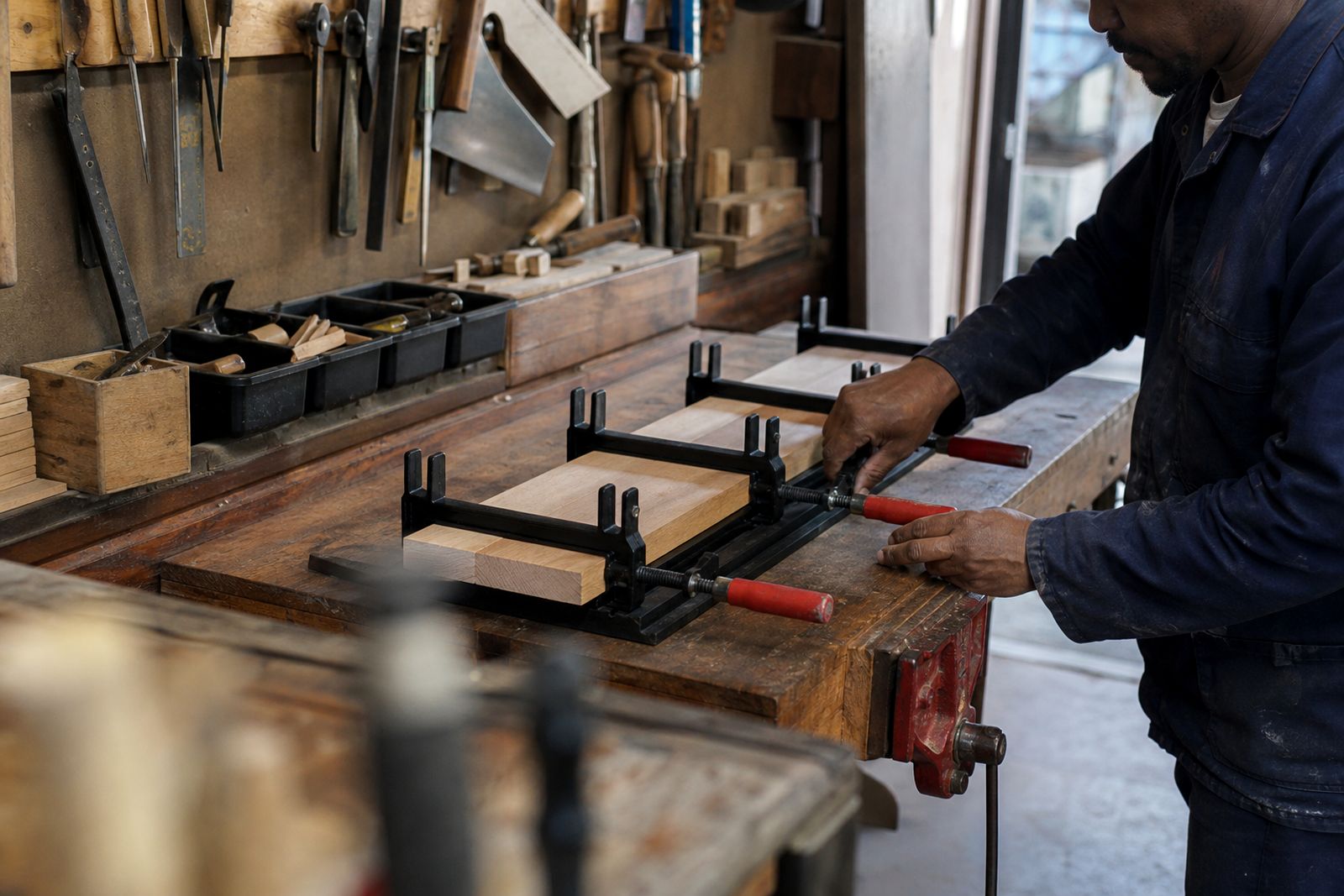
Clamp Lane
A calm clamp lane for glue-ups that must hold through a Highveld afternoon.
Read more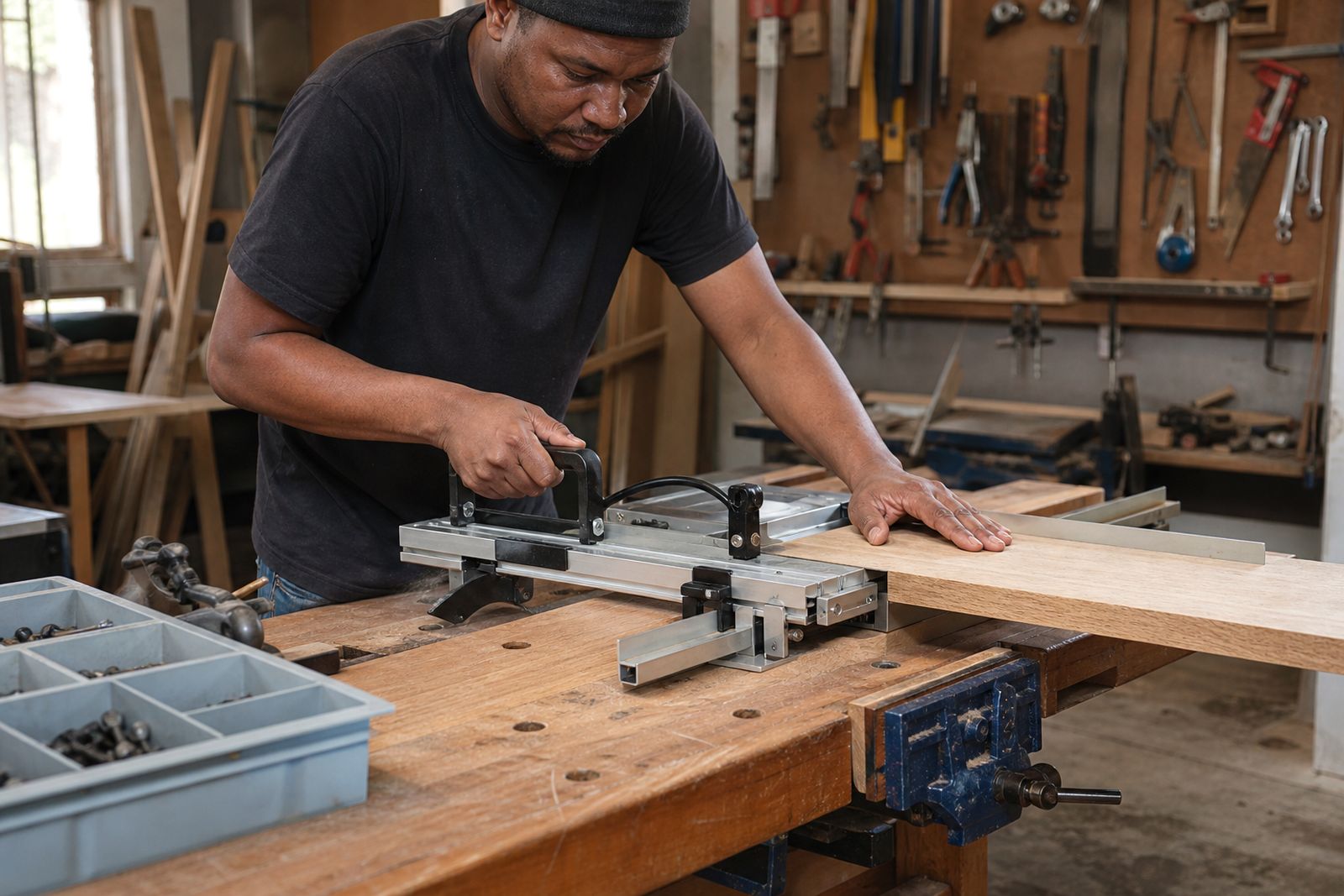
Cut Clean
Crosscut and rip habits for boards that must leave clean edges without a full CNC cell.
Read more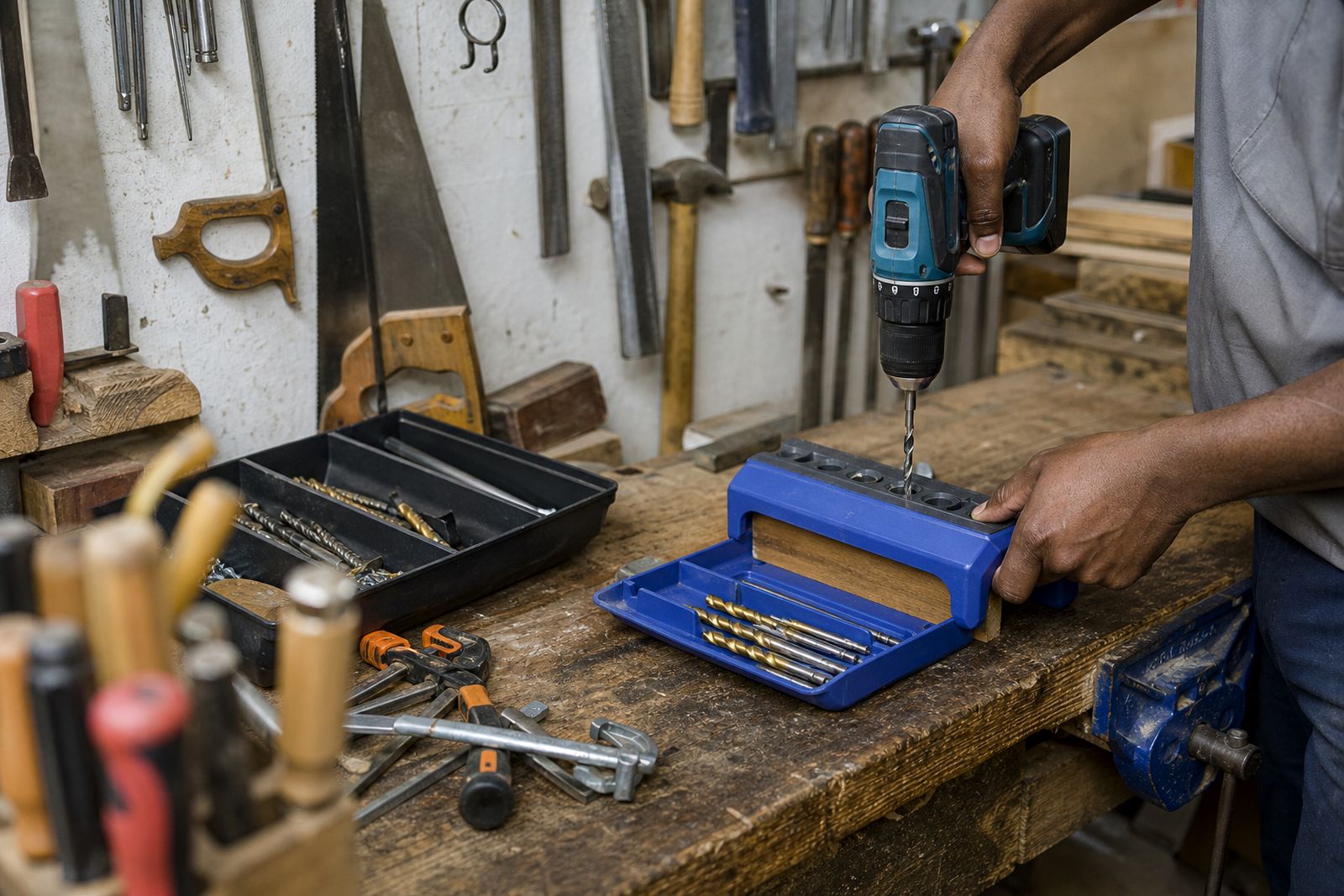
Drill Steady
Hand and cordless drilling trays with bit life cues for shared sheds.
Read more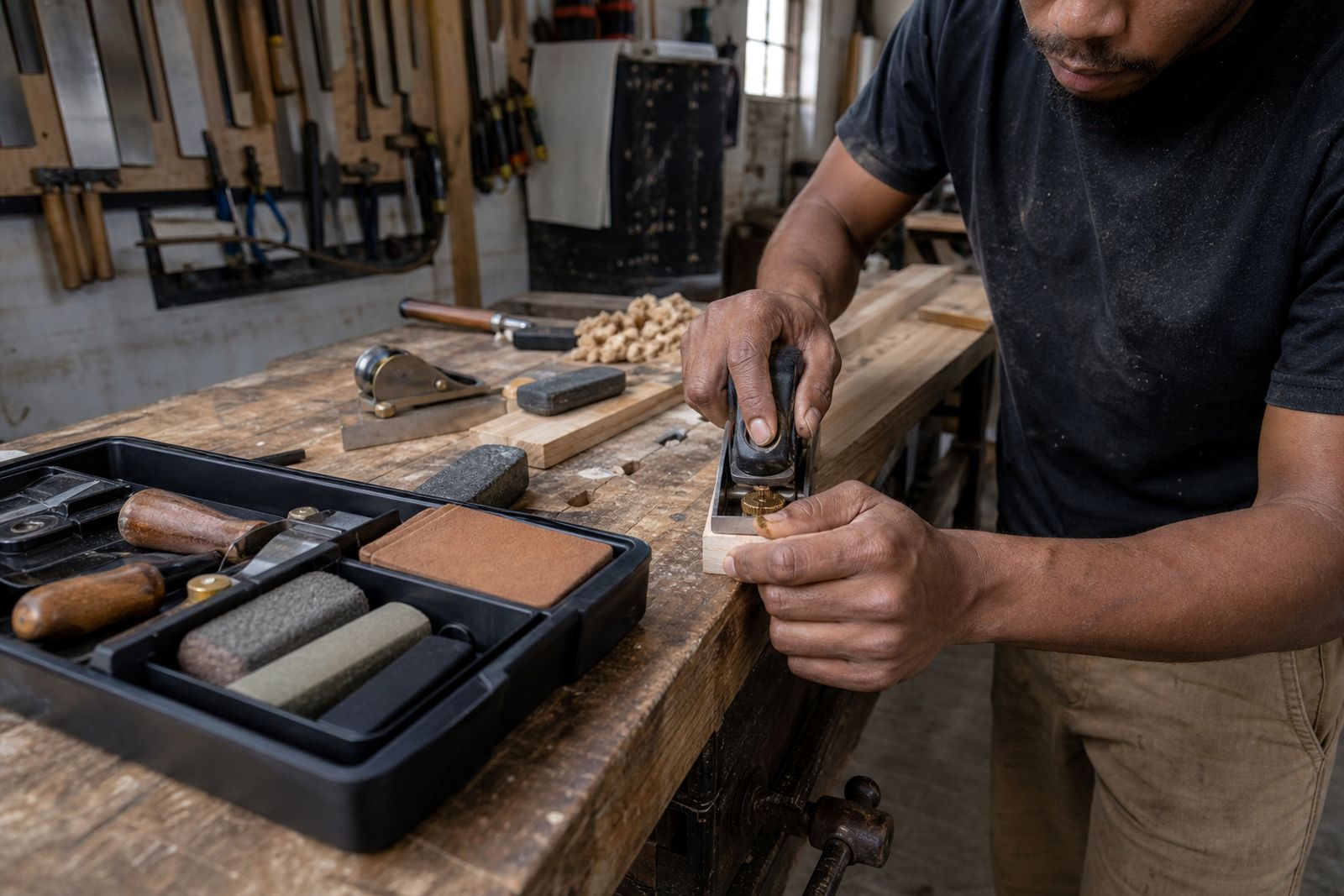
Edge Kind
Chisels, planes, and finish pads for edges that must feel kind under a hand.
Read more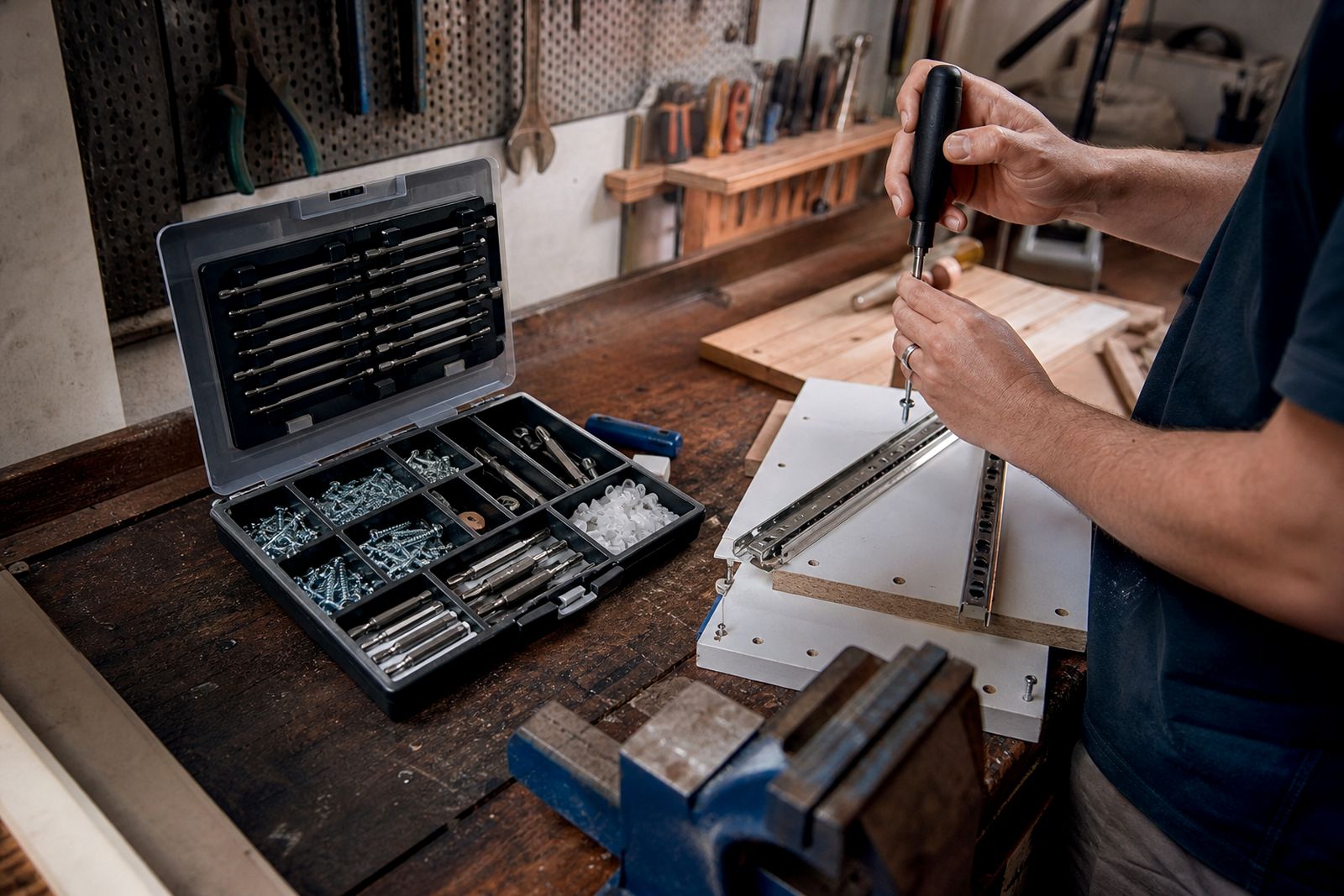
Fasten True
Drivers, bits, and fastener maps for cabinets, signs, and outdoor kits.
Read more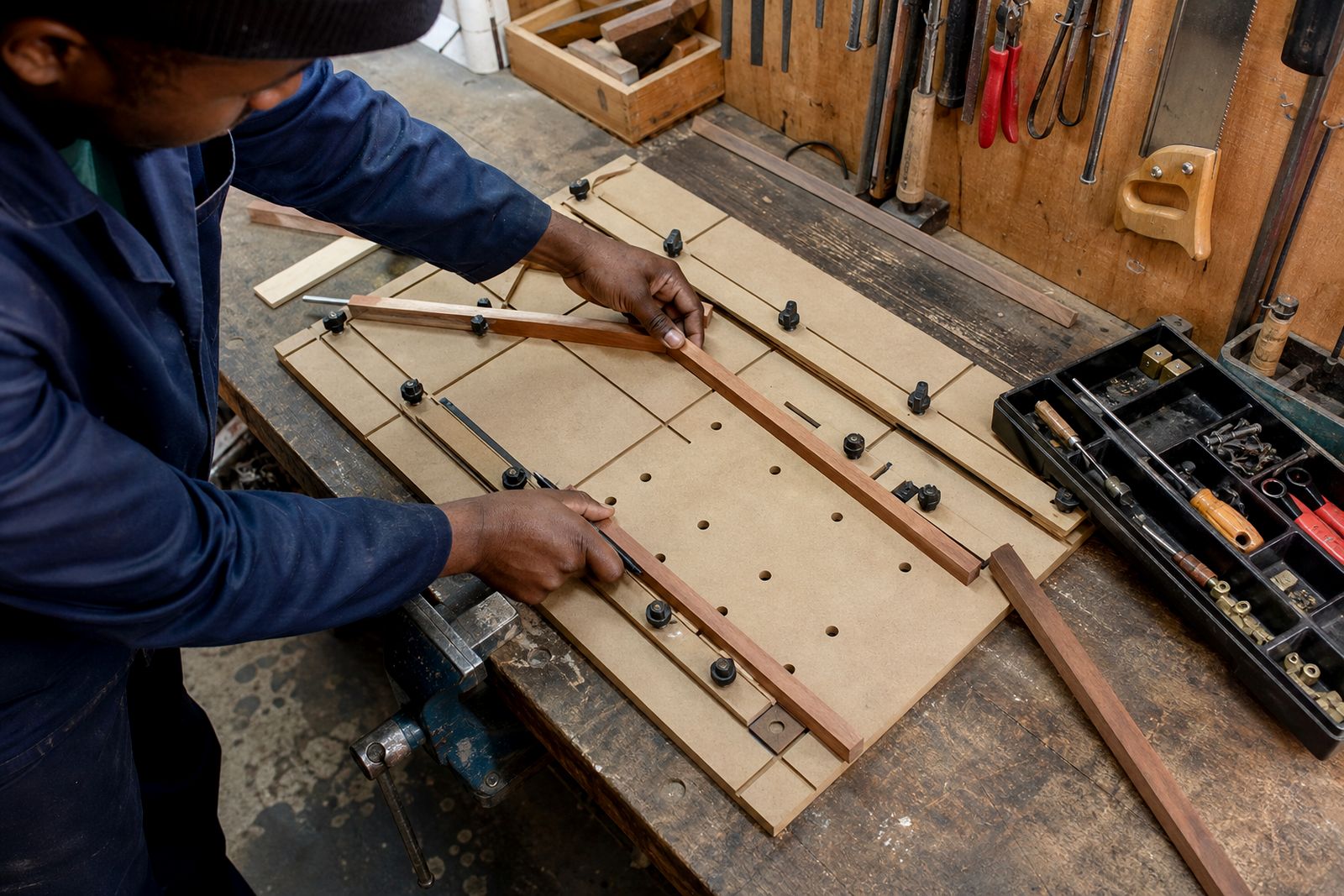
Layout Board
Squares, gauges, and layout sticks for cabinets and signs that must line up.
Read more
Measure Right
Reliable measuring and marking tools for repeatable jobs and small-batch making.
Read more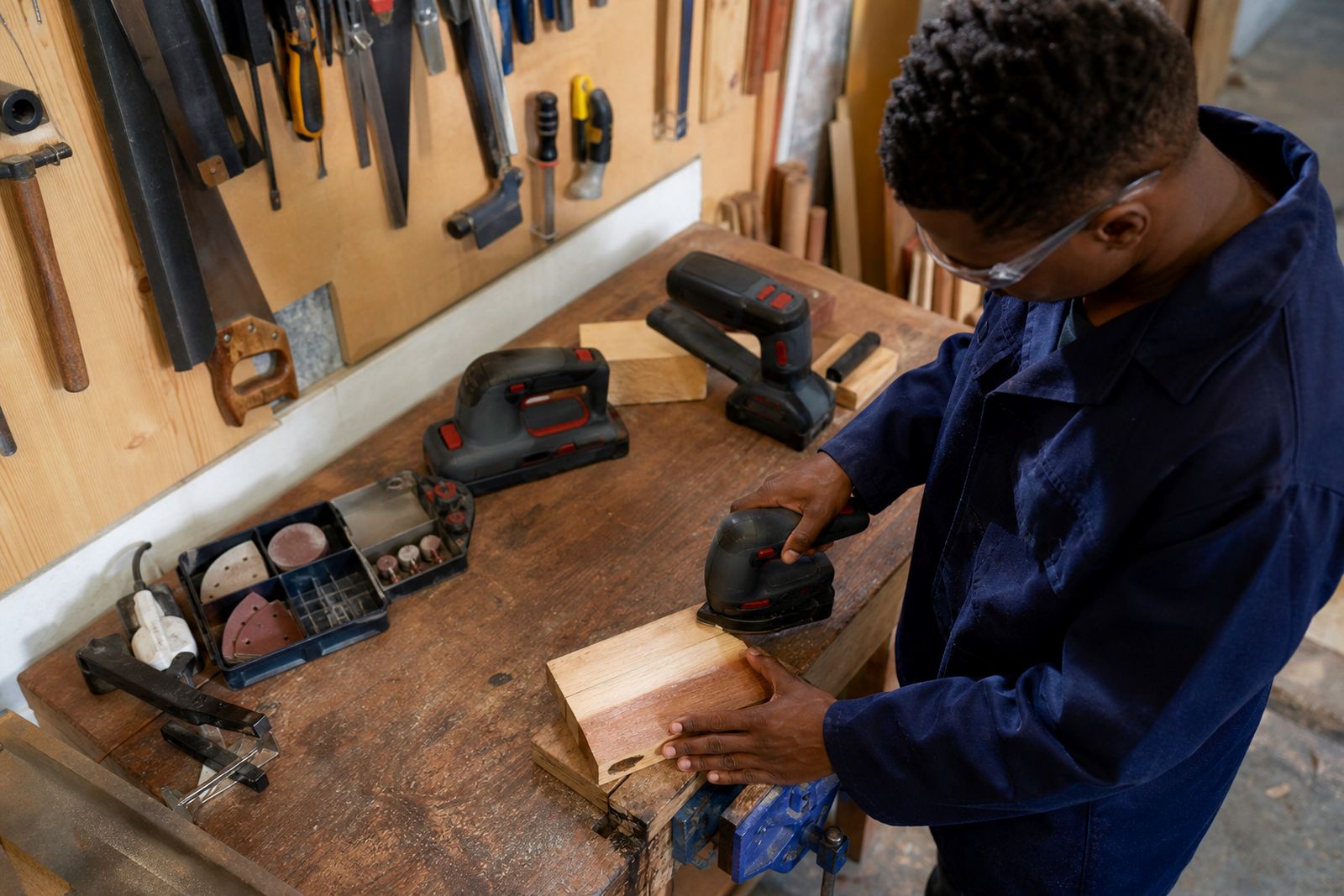
Power Assist
Compact sanders and drivers with SA plug and battery window notes.
Read more
Safety First
Eye, ear, and dust habits for shared school and hobby sheds.
Read more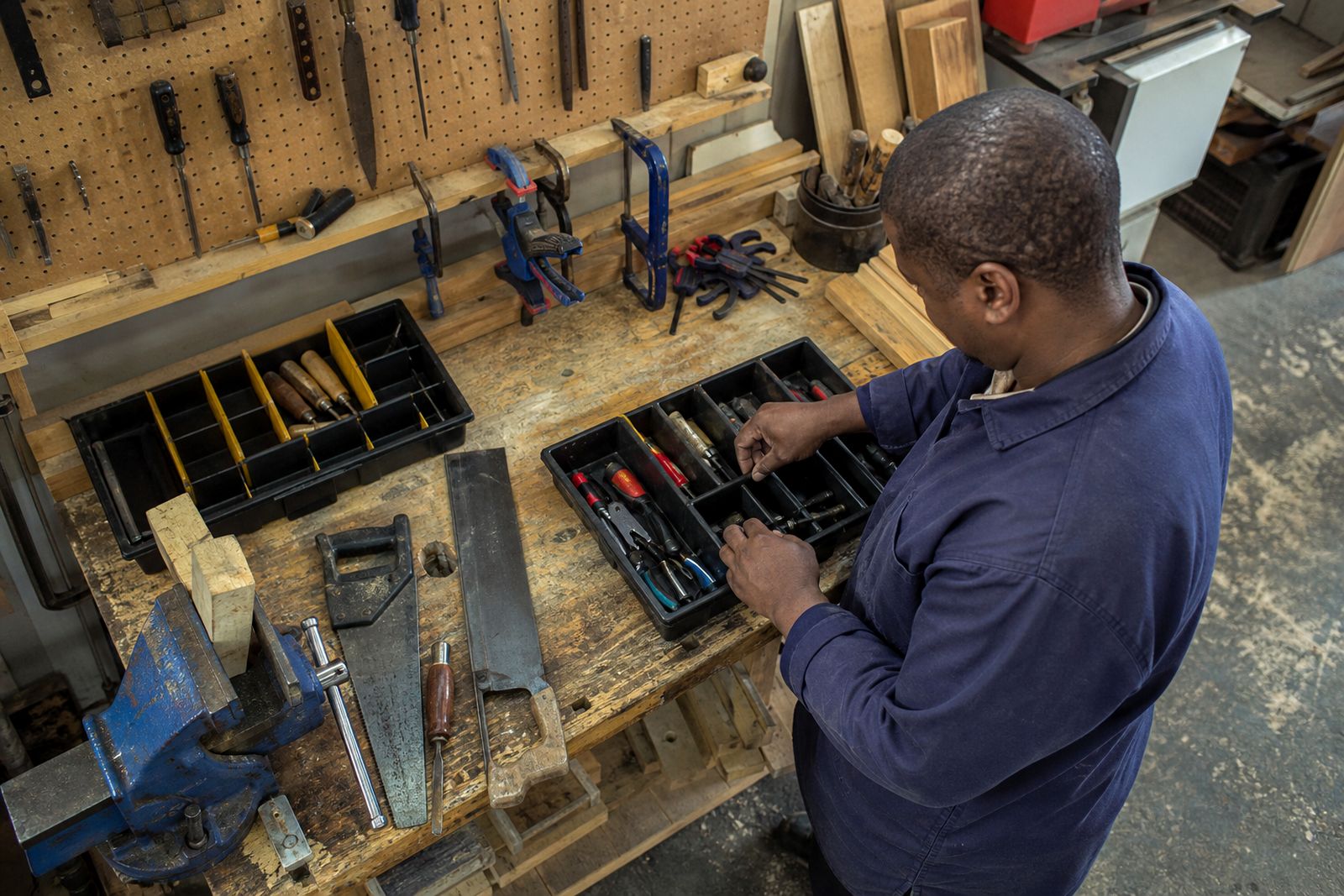
Storage Shed
Pegboards, trays, and labels that keep the shed readable after Friday.
Read moreWhat our Workshop Tool customers say
Verified Google reviews
Tell us about your bench
Send a note through our contact form with the work you do, your bench and wall space, the tools you already have and your town, and we will come back with a practical shortlist and a quote.
Open the contact form