

Edge Kind
Chisels, planes, and finish pads for edges that must feel kind under a hand.
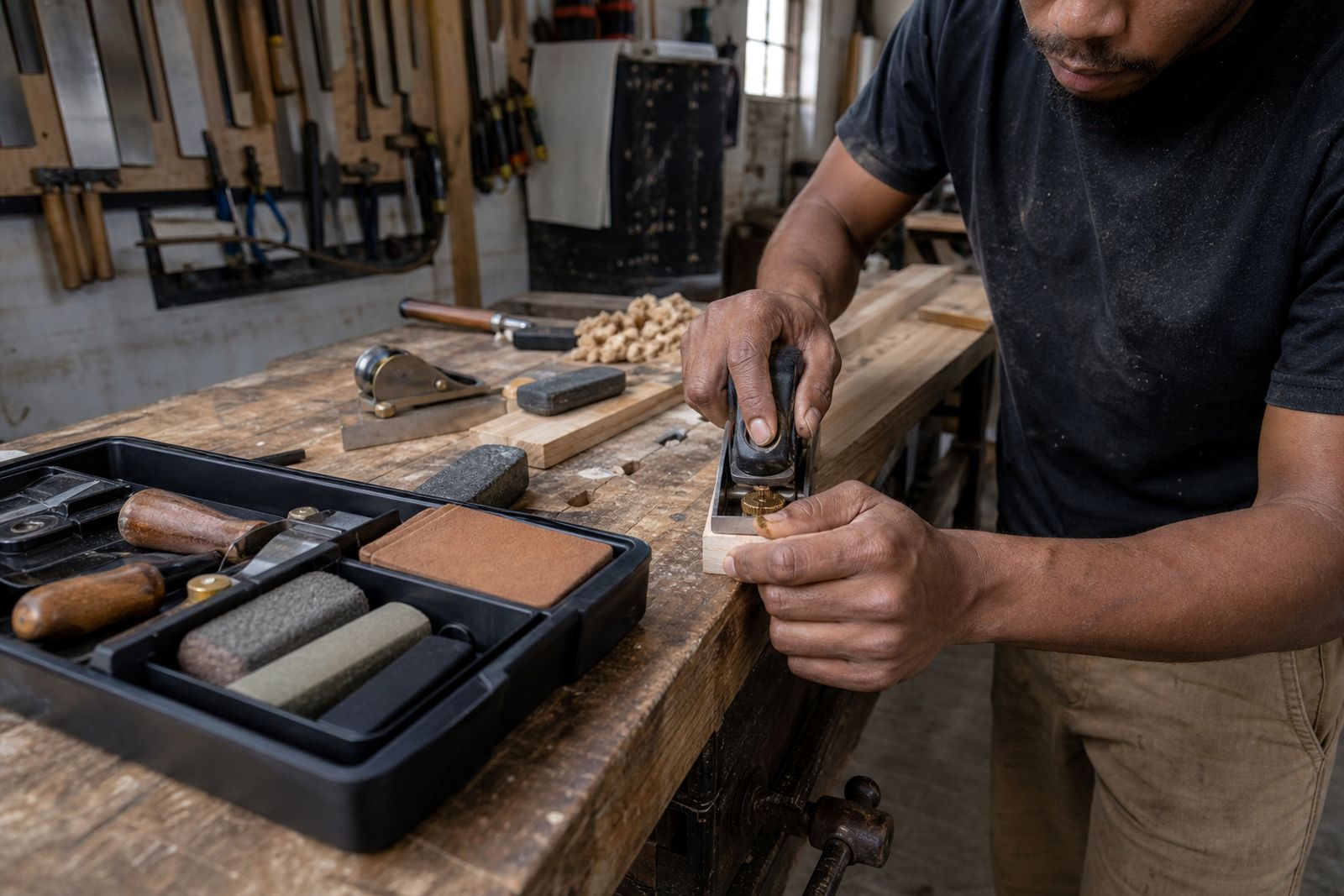
Edge kind for safer finishing
Furniture studios pick edge kind when tearout and sharp corners get in the way of the brief.
- Bevel edge chisels
- Block plane cues
- Finish pad notes
- Stone care card
Start with Specs for the 6 to 25 mm chisels, block plane, and stone note. Use Care for oil stone upkeep and rust checks in Gauteng dust or coastal air. Service covers stock handling for workshop orders and replacements.
| Chisels | 6 to 25 mm |
|---|---|
| Plane | Block |
| Stone | Combo note |
| Ideal for | Furniture |
| Lead | Stock Gauteng |
| Care | Oil stones |
Edge work for handled pieces
Edge kind is set up for timber parts that get touched often, such as drawer fronts, stool rails, and table edges. The mix centres on bevel edge chisels, a block plane, finish pads, and a combo stone note rather than a big machine process. In small South African workshops, that usually means cleaner arrises, fewer splinters, and less guesswork before oil or wax goes on.
Start by checking grain direction under side light before a chisel or plane meets the edge. Hard local species and mixed board packs can switch from easy paring to tearout within one length, so edge kind leans on short passes and frequent fingertip checks. Shared benches, dusty air, and power interruptions matter less when the edge can be refined by hand.
Keep a simple bench note with the profile used on the first sample piece. That record helps when one maker breaks the arris lightly and the next person reaches for a sharper bevel on the same run. For showroom pieces or repeat furniture lines, the small note stops edge feel from drifting across batches.
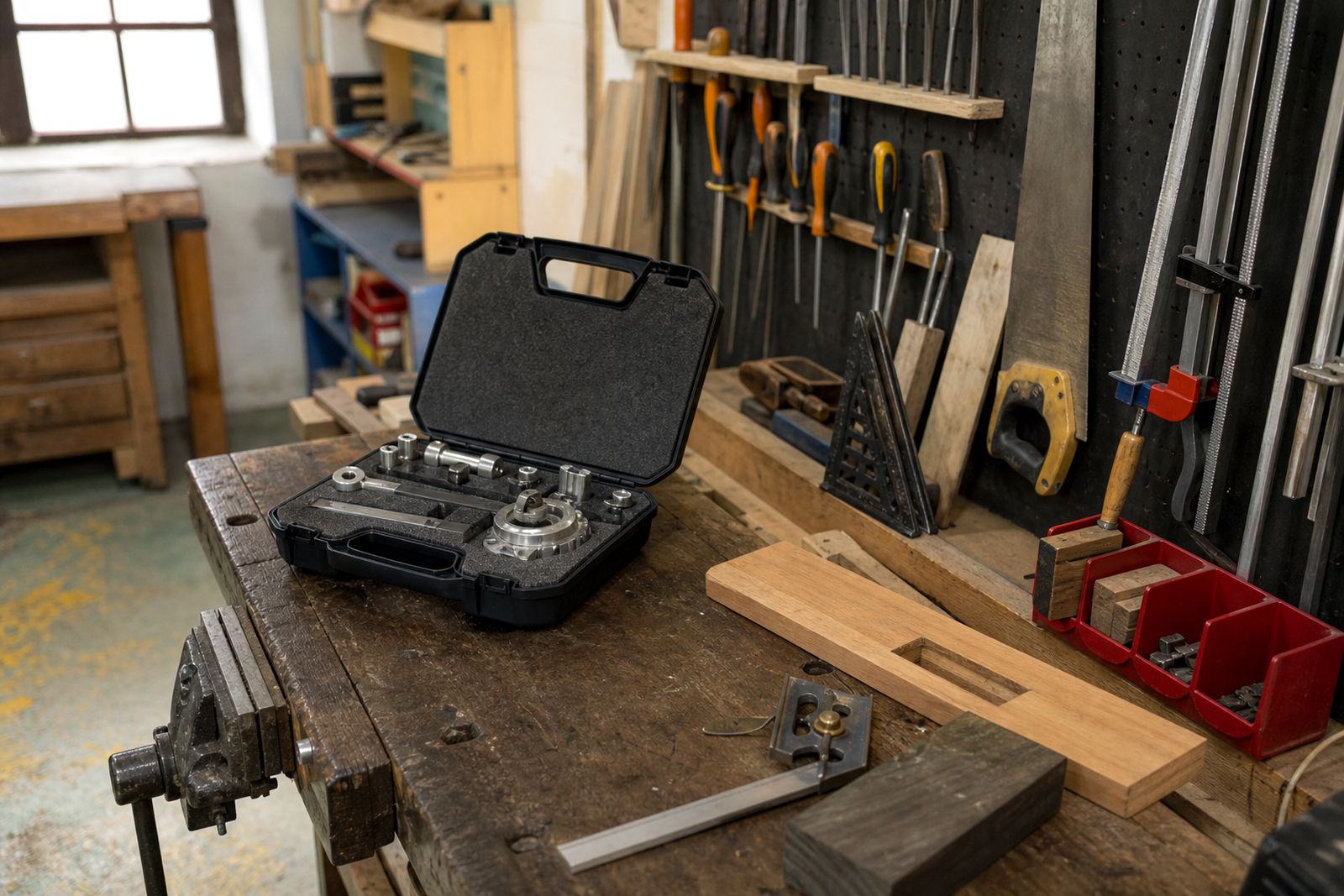
In the edge kind set
Expect guidance around a few hand tools that solve the last part of edge prep. Plain notes point to chisel width, block plane use, finish pad sequence, and a stone care card that suits ordinary workshop handling. It is aimed at work that must feel safe under a hand, not at heavy stock removal.
Pair this kit with the matching bench route when the edge detail is tied to a furniture build or finishing station. The tip note helps a team agree on when to chamfer, when to ease only, and when a crisp line should stay visible. If you use our contact form, mention the timber, the city, and whether you are checking specs, care, or service first.
- 6 to 25 mm chisels for tight arrises
- Block plane cues for controlled easing
- Stone card for oil stone upkeep
- Finish pad notes for hand-safe edges
Workshop conditions that affect edges
Dry Highveld conditions can make a freshly planed edge feel different by the afternoon, especially on open-grain timber. Near the coast, steel needs more frequent wiping and oiling, and stones must be stored with a bit more care. Edge kind accounts for hand-tool finishing in places where climate shifts are part of ordinary bench work.
School shops, home garages, and small furniture studios do not inspect edges in the same way. A teaching space may need obvious chamfers that survive rough handling, while a studio piece might call for a soft eased edge that still reads crisp in light. Where another kit suits the job better, move to the route that matches layout, clamping, or machine support rather than forcing every decision through a chisel and plane.
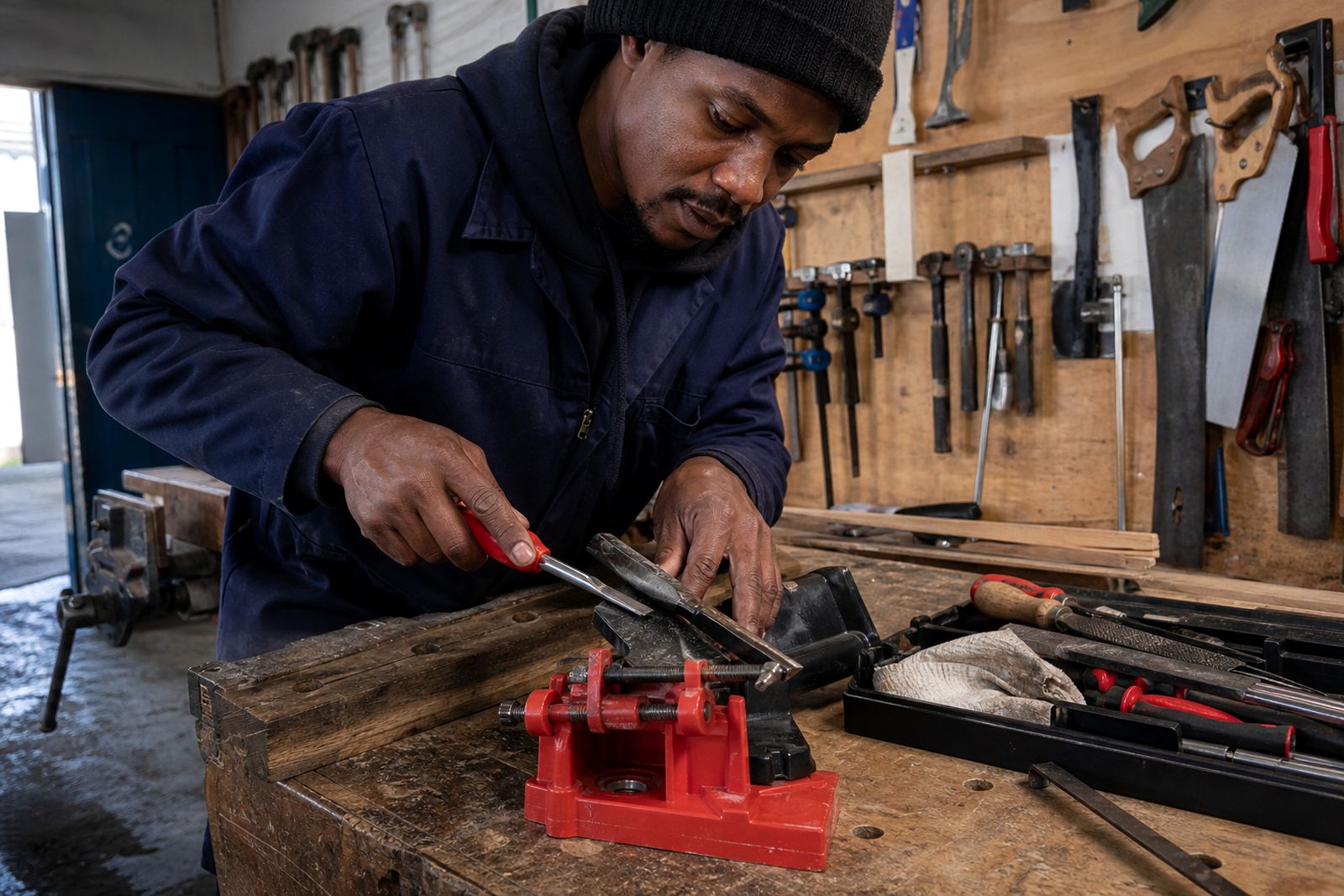

What our Workshop Tool customers say
Verified Google reviews
Tell us about your bench
Send a note through our contact form with the work you do, your bench and wall space, the tools you already have and your town, and we will come back with a practical shortlist and a quote.
Open the contact form