

Power Assist
Compact sanders and drivers with SA plug and battery window notes.
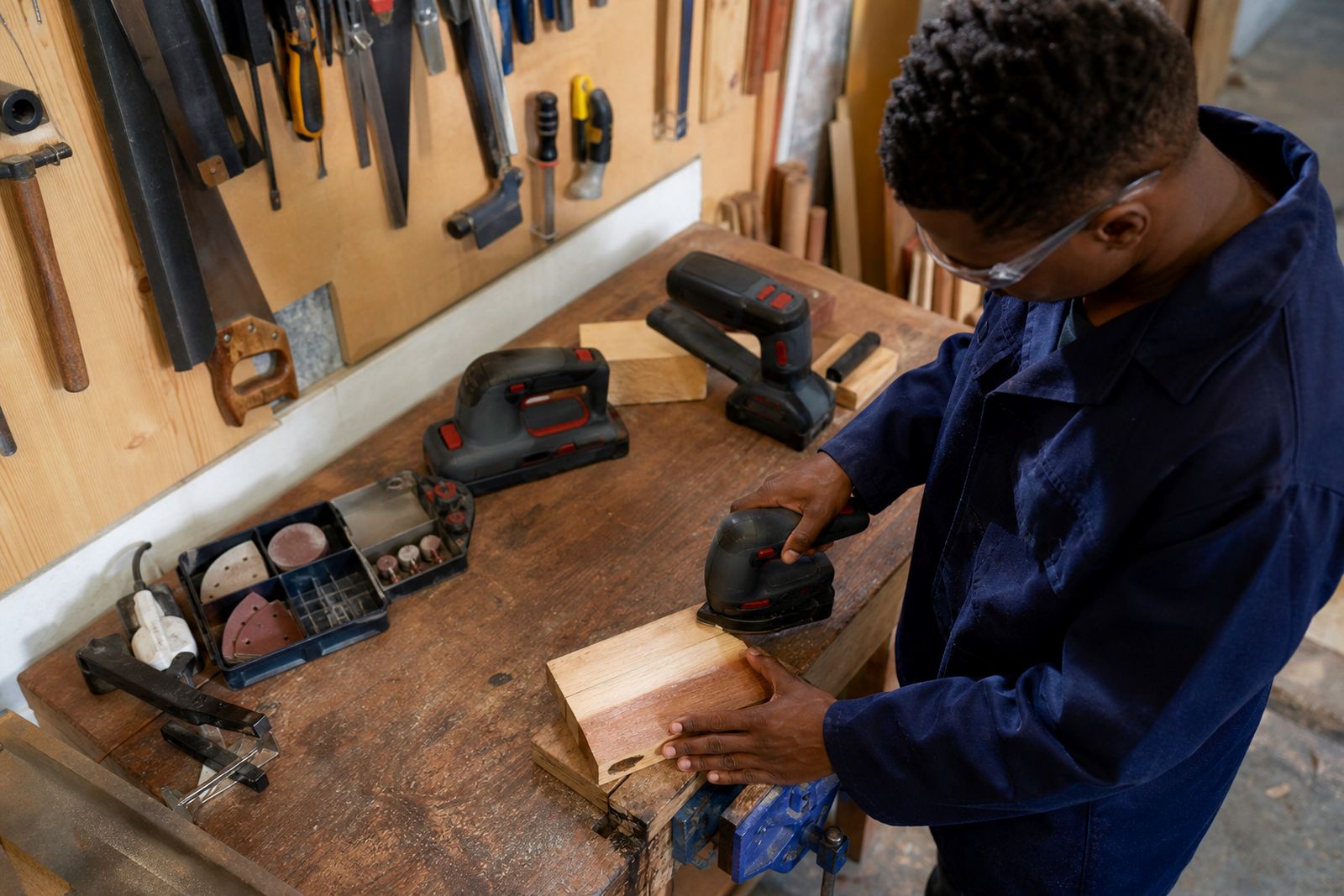
Power assist for workshop electrics
Busy sheds choose power assist when hand work alone cannot finish the week.
- Orbital sander cues
- Driver pack
- Battery window card
- Noise notes
Specs lists the sander stroke, driver torque class, SA plug detail, and the battery notes for 18 V use. Care covers dust-port cleaning, charger storage, and pad checks after long sanding runs. Service
| Tools | Sander + driver |
|---|---|
| Battery | 18 V notes |
| Noise | PPE link |
| Ideal for | Busy sheds |
| Lead | Stock Gauteng |
| Care | Dust ports |
Sander and driver pairing
Power assist suits workshops that need a tidy move from hand sanding to faster finishing and screwdriving. Compact orbital sanders and driver packs should match South African plugs, 18 V battery habits, and bench space that is often shared. The useful checks are simple: dust extraction fit, battery window visibility, and noise levels that make sense for a busy shed.
When fine dust starts settling on fresh coats or drawer parts lag behind, this kit gives the electrics side of the bench a clearer setup. Compact sanders need the right grit sequence, a clean dust port, and pad checks before the morning run. Driver packs work better with labelled bits, charged spare batteries, and a charging spot that stays clear during power cut changes.
Before the first proper shift, note which battery is charged, which pad is fitted, and where the spare bits live. A small record on the bench saves time when one person sands and another takes over on assembly.
What power assist includes
Expect short notes on the orbital sander, the driver pack, and the battery window card used on this kit page. We also flag noise and PPE points, plus stock and lead details for Gauteng where they affect planning. The format stays brief enough to print or keep open on a phone beside the bench.
Check the power details before adding tools to a crowded circuit. Read the battery note with the driver section, then use the PPE link if the noise or dust setup needs attention in your shop. If you send a query through our contact form, include your city, the job type, and whether the question is about sanding, driving, battery use, or parts care.
- Orbital sander notes for panel prep
- Driver settings for repeat fixings
- 18 V battery window reminders
- Noise and PPE points for sheds
Workshop conditions in South Africa
These notes assume South African workshop conditions where dust gets into vents, humidity shifts by region, and power supply can be uneven across a week. Coastal users must watch steel accessories and charger storage more closely, while inland shops often fight fine dust on sanding jobs.
A school shop, a small maker bench, and a production shed will not use the same settings in the same way. Shared tools need clearer battery labelling, more frequent pad inspection, and stricter rules on driver bits going back to one place. If your work is mainly cabinetry, tray builds, or shop fittings, say which one when you email so the advice can match the actual use.
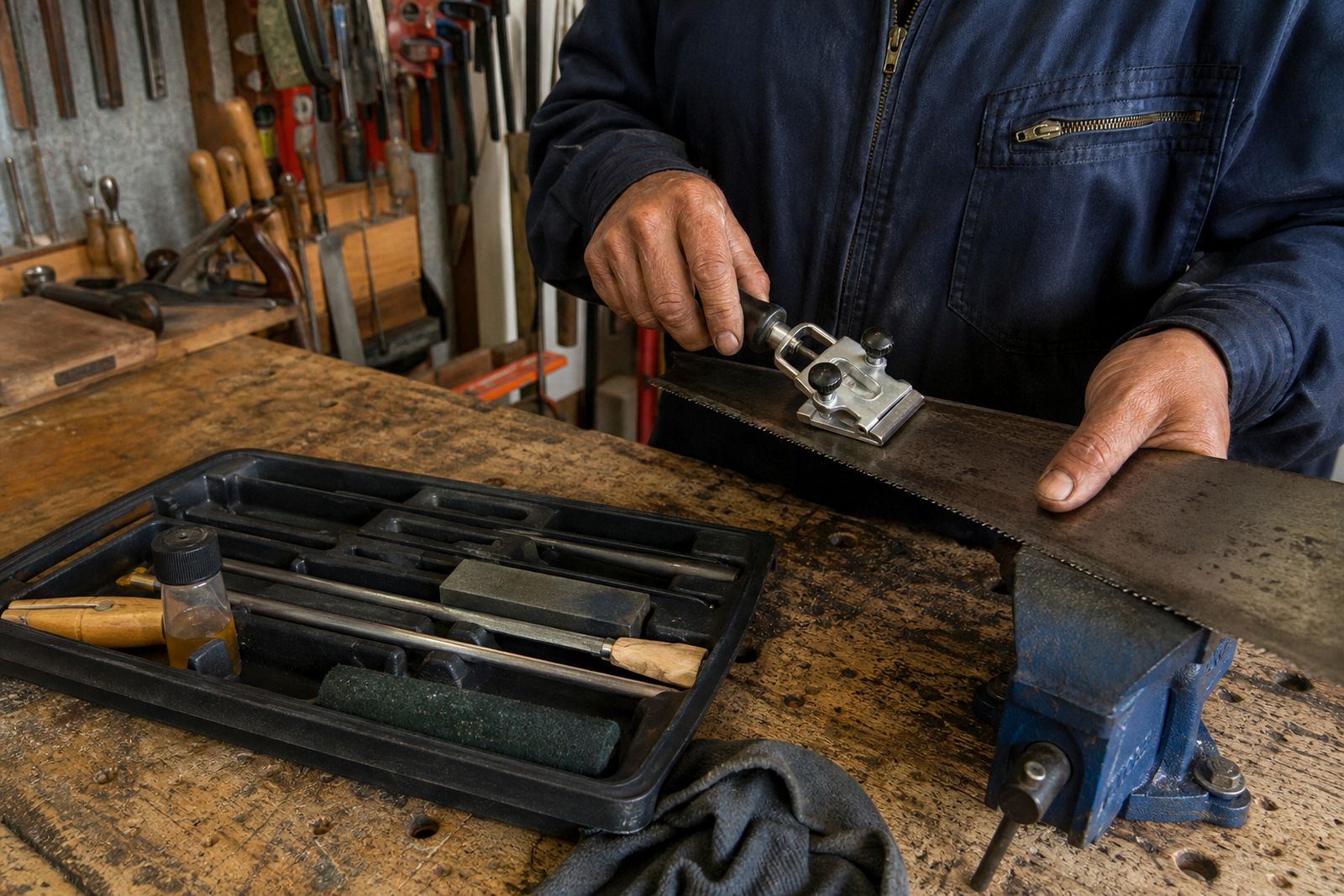
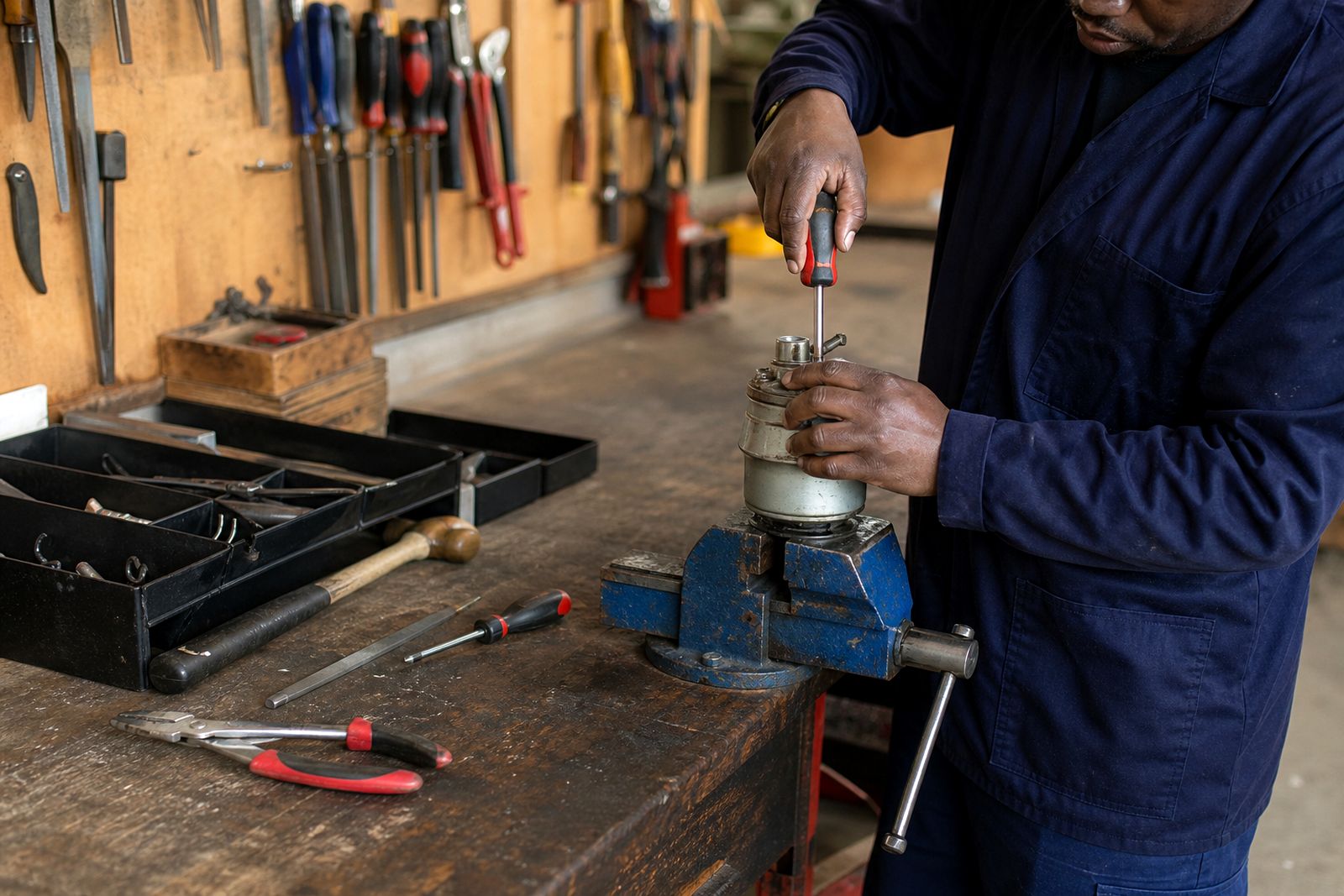
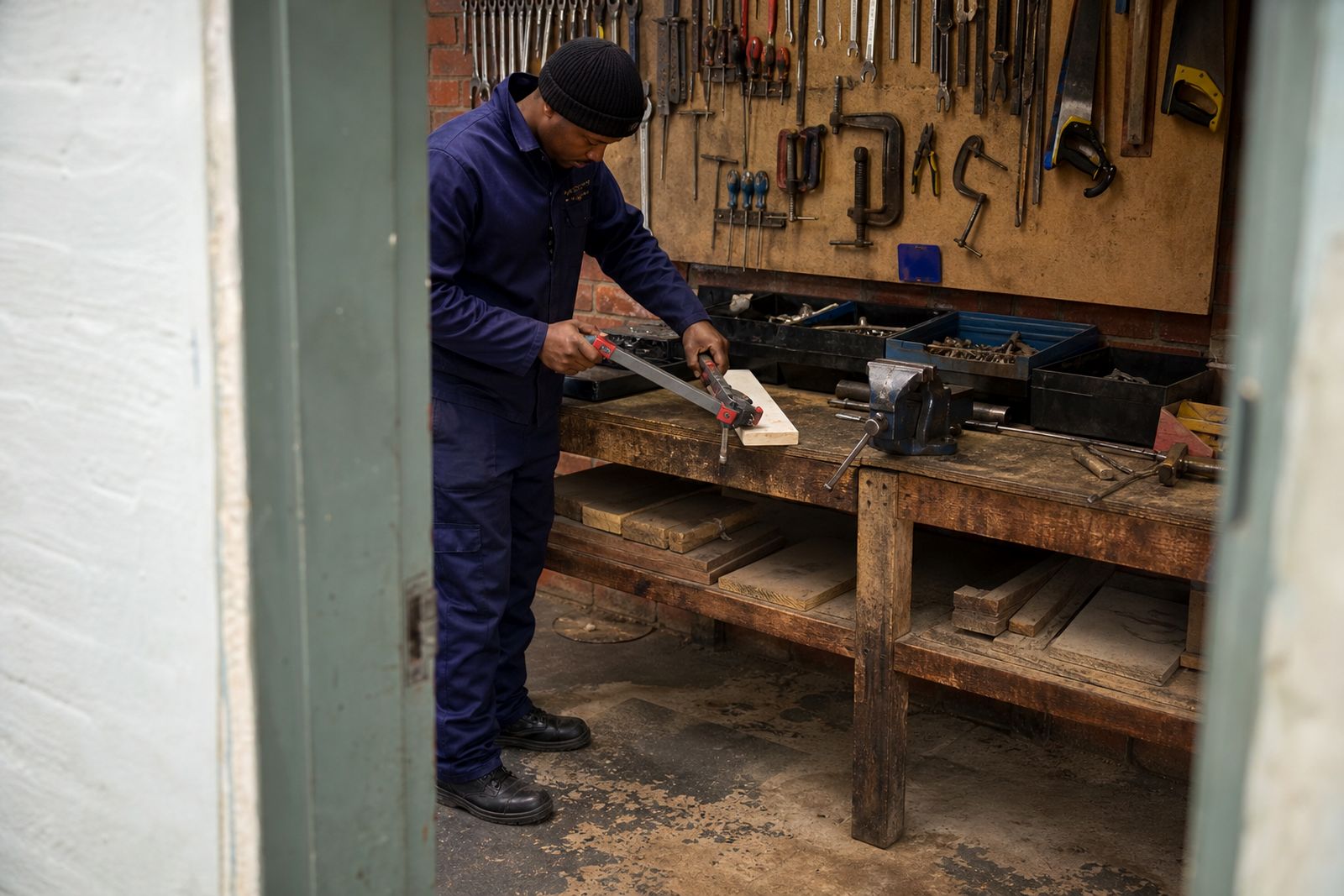
What our Workshop Tool customers say
Verified Google reviews
Tell us about your bench
Send a note through our contact form with the work you do, your bench and wall space, the tools you already have and your town, and we will come back with a practical shortlist and a quote.
Open the contact form