

Power Assist care
Power Assist care centres on clean airflow, sound leads, and the wear parts that get ignored until a motor starts labouring. Keep the unit dry, clear the vents after dusty cutting, and check plugs, clamps, and housings before the first switch-on.
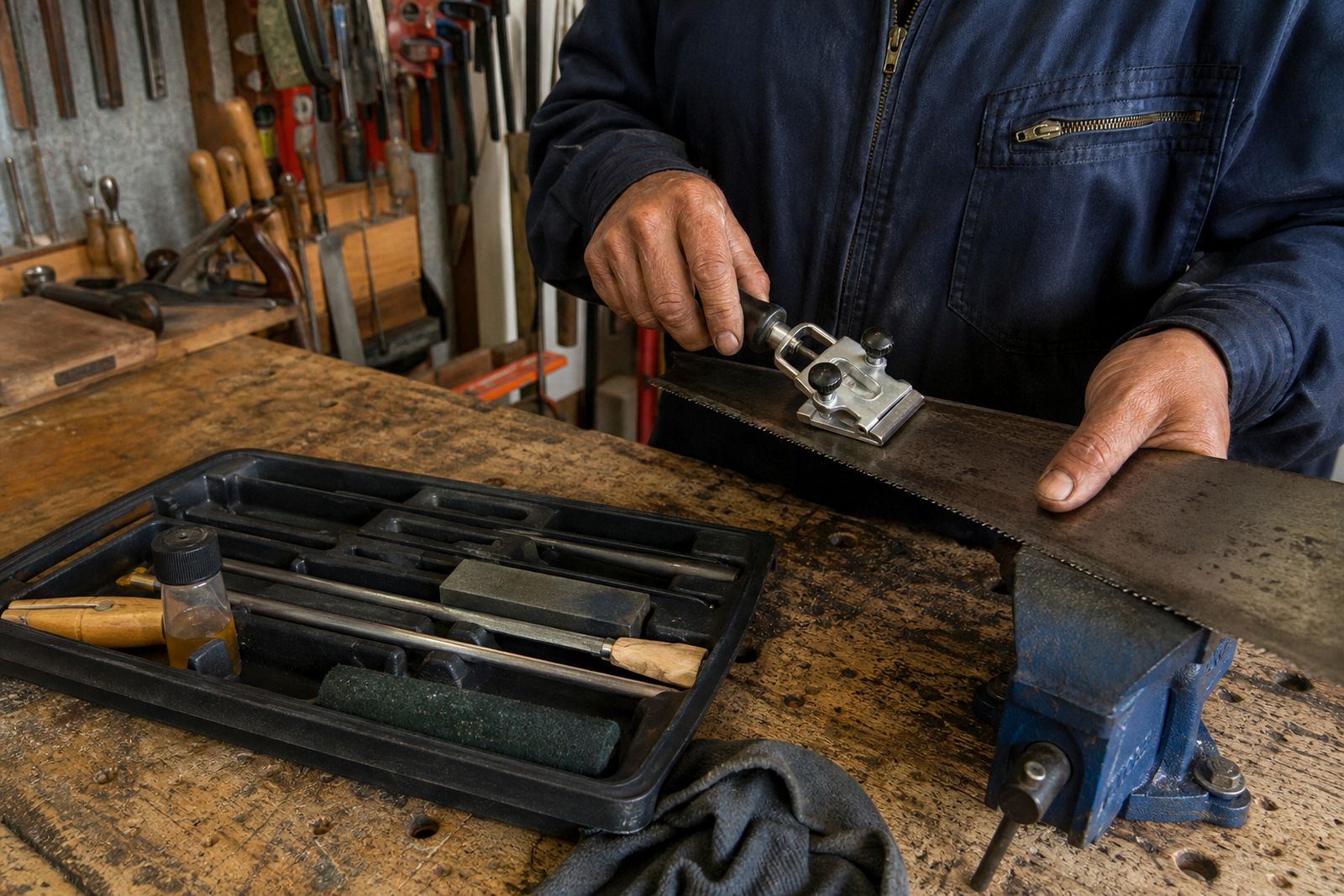
Power Assist care for a real week
Pair this care page with the trays used for leads, spare brushes, fuses, and the wipe-down kit. A labelled tray near the bench stops power accessories being mixed with drill bits and offcuts.
- Care cues
- Tray pairing
- Consumable windows
For setup habits around assisted cutting and bench use, read the matching tip notes and workshop projects. They show where Power Assist fits into daily prep, shutdown, and consumable changes.
Power Assist units last better when dust is removed before it cakes around vents, switches, and cooling slots. In many Gauteng workshops, fine MDF and steel dust build up fast, so a soft brush and dry cloth matter more than a heavy clean once a month. Check for heat marks on plugs, cracked strain reliefs, and loose fasteners after longer sessions. If the tool sounds rougher than usual, stop and inspect before the next cut or fastening run.
Start each morning with three checks: cable condition, free-moving guards or attachments, and any unusual play at the connection points. Coastal shops need closer watch on surface rust at screws, chucks, and exposed steel parts, especially after damp nights. Where extension leads are used across a shared bench area, keep couplers off the ground and away from sweepings, metal filings, and water bottles. A quick wipe with the right cloth beats blowing dirt deeper into the housing.
Set a simple care record on the second day the unit is in use, not when trouble starts. Note brush changes, blade or bit hours, cord repairs, and any breaker trips so the next person can see the pattern. Bring those notes through our contact form if you need help matching the care routine to your setup in Sunnyrock or a small school workshop.
Power Assist check routine
Keep one printed card at the charging or plug-in point with the shutdown steps, cleaning points, and the consumables to inspect. One page works better in a busy South African workshop than a thick manual that never leaves the office drawer. Include the actual socket rating, extension lead length, and the blade, bit, or brush code your team uses. That way the right replacement is bought before stock runs out on a Saturday.
Match the care card to the bench where Power Assist is used most often, whether that is assembly, trimming, or repetitive drilling. The nearby tip notes help standardise language for overheating, vibration, carbon brush wear, and safe storage. If you write in via our contact form, send the tool type, the city, and whether the issue shows up under load, at start-up, or after shutdown. Photos of the plug, vents, and worn consumables usually tell more than a long explanation.
- Vent-clean card for daily shutdown
- Brush and lead checks after dusty jobs
- Consumable dates kept with the unit
- Related: bench setups and matching tip notes
Workshop conditions that affect wear
Highveld dust, coastal moisture, and stop-start power all change how Power Assist should be cared for. A unit used near sanding, cutting fibre cement, or trimming laminated board needs more frequent vent cleaning than one used for light assembly only. Salt air can stain exposed metal quickly, so storage matters as much as operation near the bench. None of this replaces manufacturer instructions or electrical compliance checks where those are required.
Shared workshop tools wear faster when nobody owns the end-of-day wipe-down, cord coiling, and consumable count. In school spaces and starter shops, the best routine is short: unplug, cool, brush off, inspect, and store dry. If the setup has moved beyond entry-level use, say which accessories and workloads are involved so the care advice fits the machine instead of a generic tool list. Power Assist notes sit alongside Clamp Lane and Layout Board because wear often starts with how the bench is run, not only with the motor.
What our Workshop Tool customers say
Verified Google reviews
Tell us about your bench
Send a note through our contact form with the work you do, your bench and wall space, the tools you already have and your town, and we will come back with a practical shortlist and a quote.
Open the contact form