

Torque without drama
Impact drivers need a torque cue, not bravado.
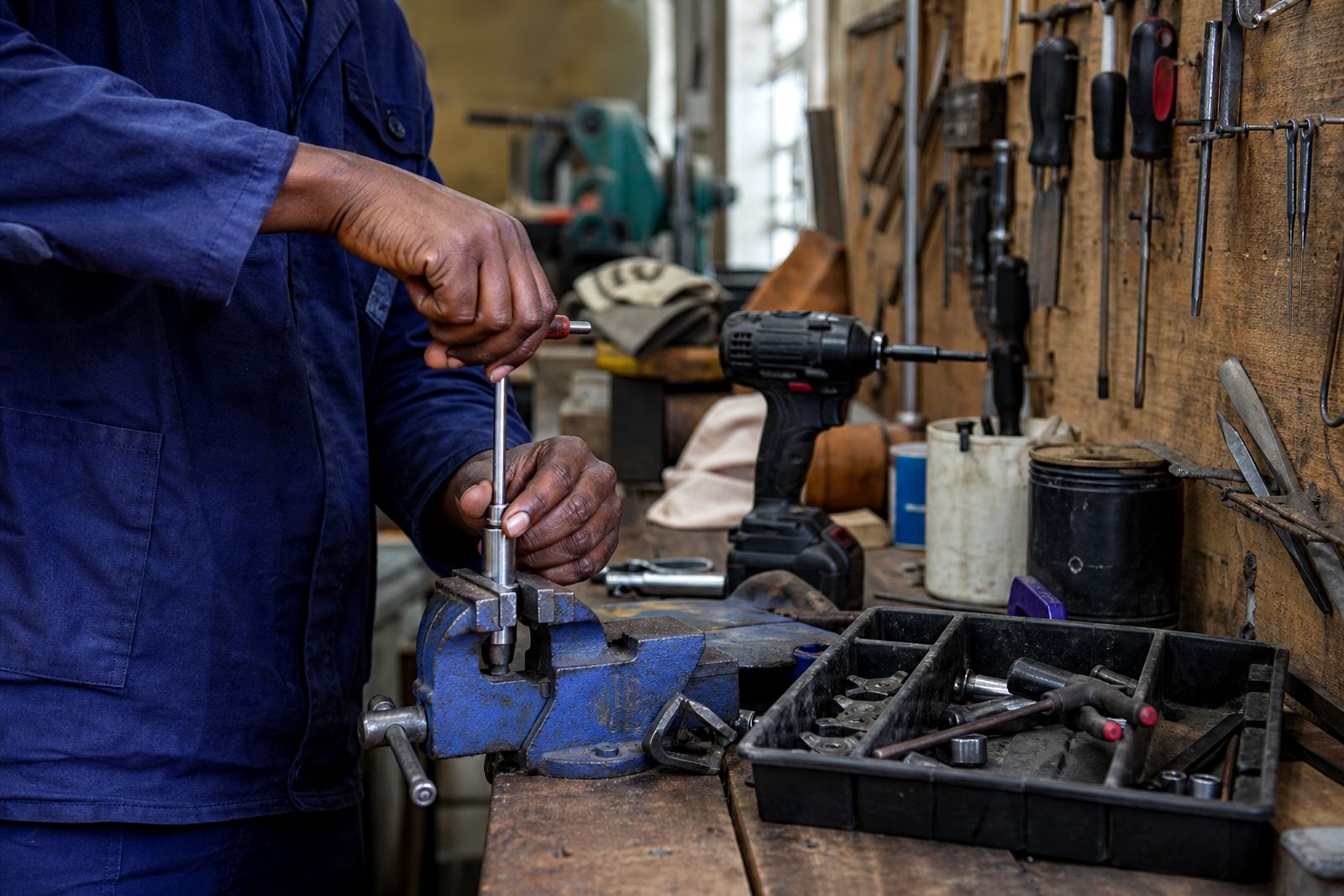
Impact driver torque cues
Plain wording, countable steps, and a clear next move: a kit route, a bench, or a booked hour through the contact form.
When fixings start getting chewed up
A loud driver can hide a bad setting for half a shift. On chipboard, mild steel brackets, and coach screws, the trouble usually shows up first as stripped heads, crushed washers, or a fastener pulled past flush. Use these checks to set one torque cue, one owner, and one check point before the next box of screws opens.
Bench routine before first trigger pull
Match the bit to the screw head before power goes on. Test the clutch or assist mode on offcuts, then mark the accepted depth with a pen line or tape flag where the team can see it. For mixed fixings, split the tray so 8G, 10G, and coach screws do not share one setting by accident. If the case keeps repeating, send the bench photo and notes through our contact form rather than a long story.
Checks that fit on the tray card
Too much torque usually shows up as stripped heads, snapped fasteners or crushed material around the fixing. Note the screw size, driver setting and base material, whether that is chipboard, pine or steel, so the next adjustment is based on something useful.
Highveld dust and coastal moisture
Coastal air can skew torque feel on exterior fixings, while Highveld dust wears bit tips faster than many crews expect. Battery charge level matters too, especially during power cut days when packs go back onto the tool half full. Keep one known screw, one known substrate offcut, and one marked setting at the bench so the check stays repeatable.
What to check after first bite
Open /kit when the issue is mixed fasteners in one tray. Use /benches if the problem follows a station rather than a person, and check /trays when bits, drivers, and screws are being stored together without labels. Bring a short log with screw size, material, and failed result so the next step starts from evidence.
Move from this note to kit if you need tray control for bits, sockets, and test screws. Open benches when the issue sits with station setup, driver storage, or hand-off between people. Use our contact form when you can attach the failed fixing, the material stack, and the driver setting that caused it.
What our Workshop Tool customers say
Verified Google reviews
Also worth a look
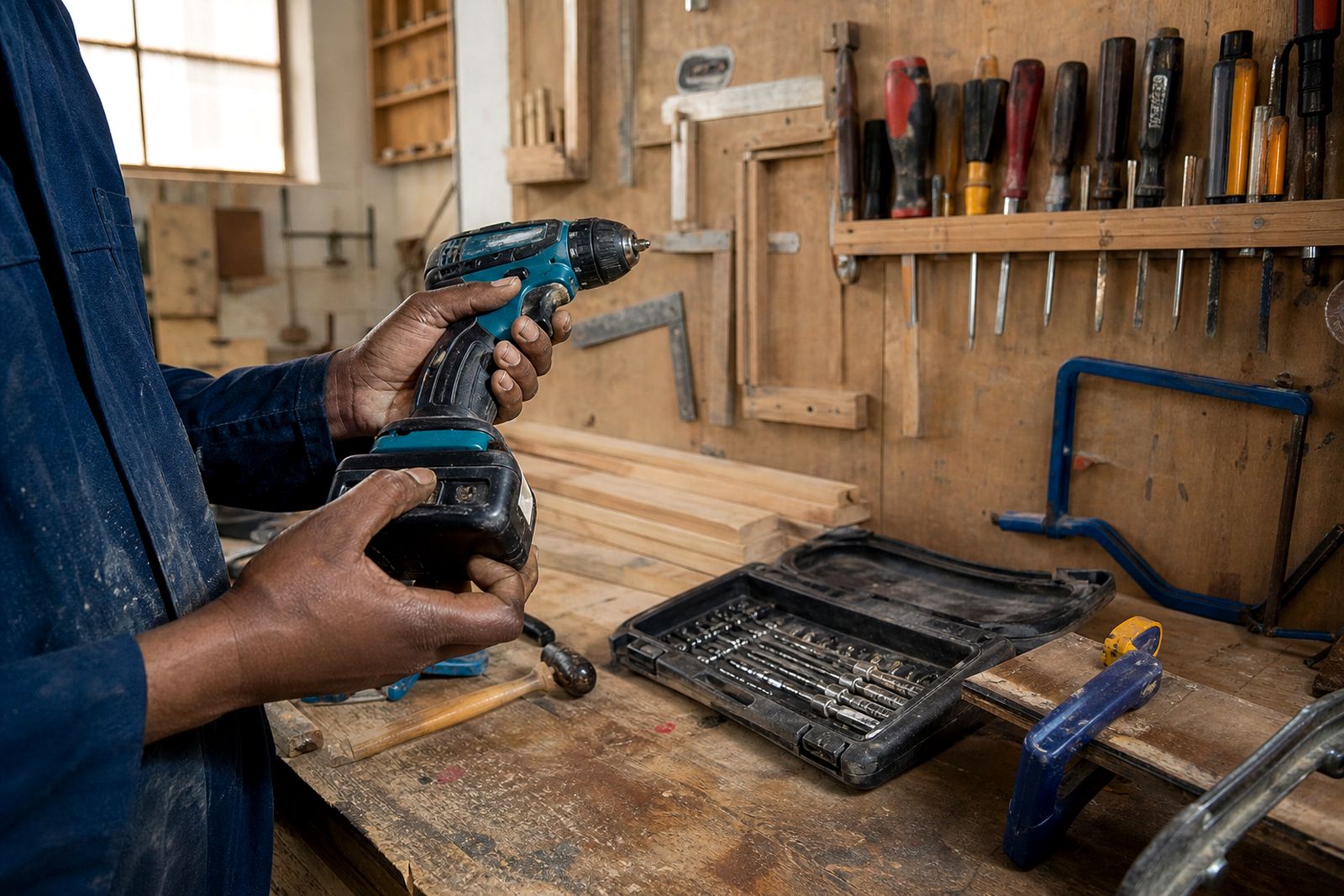
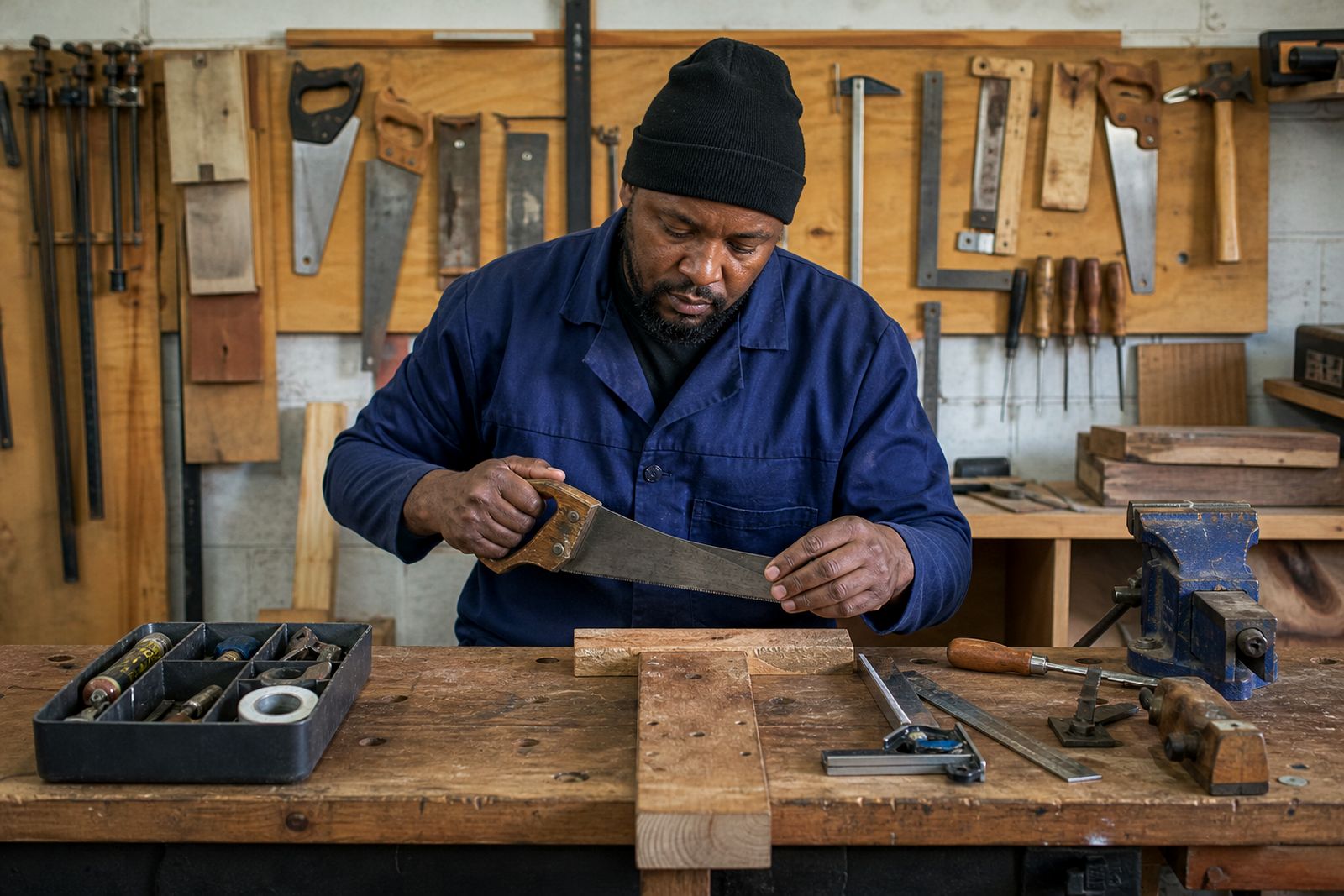
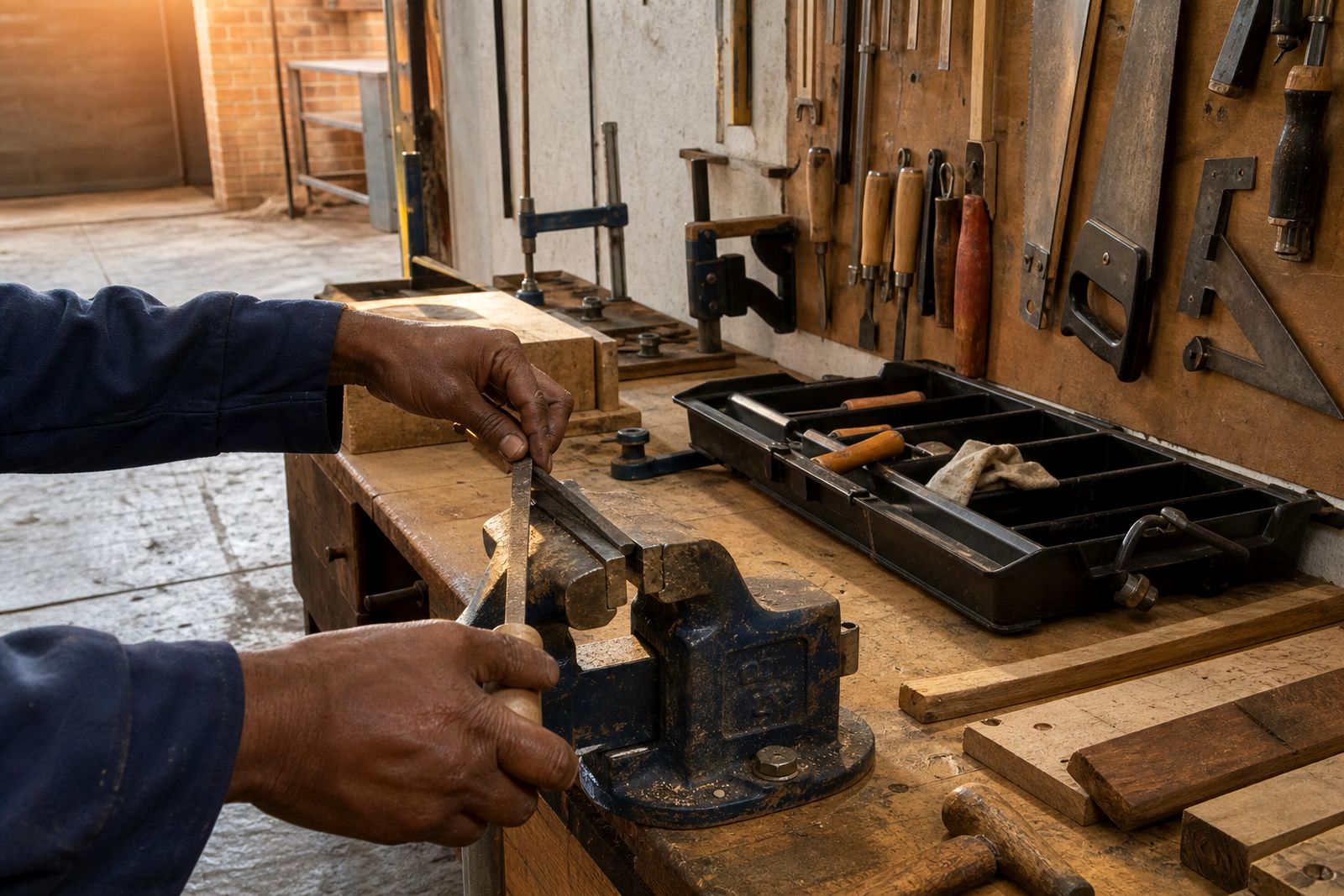
Tell us about your bench
Send a note through our contact form with the work you do, your bench and wall space, the tools you already have and your town, and we will come back with a practical shortlist and a quote.
Open the contact form