

Mark once, cut once
A marking knife beat a blunt pencil on every repair bay we visited this year.
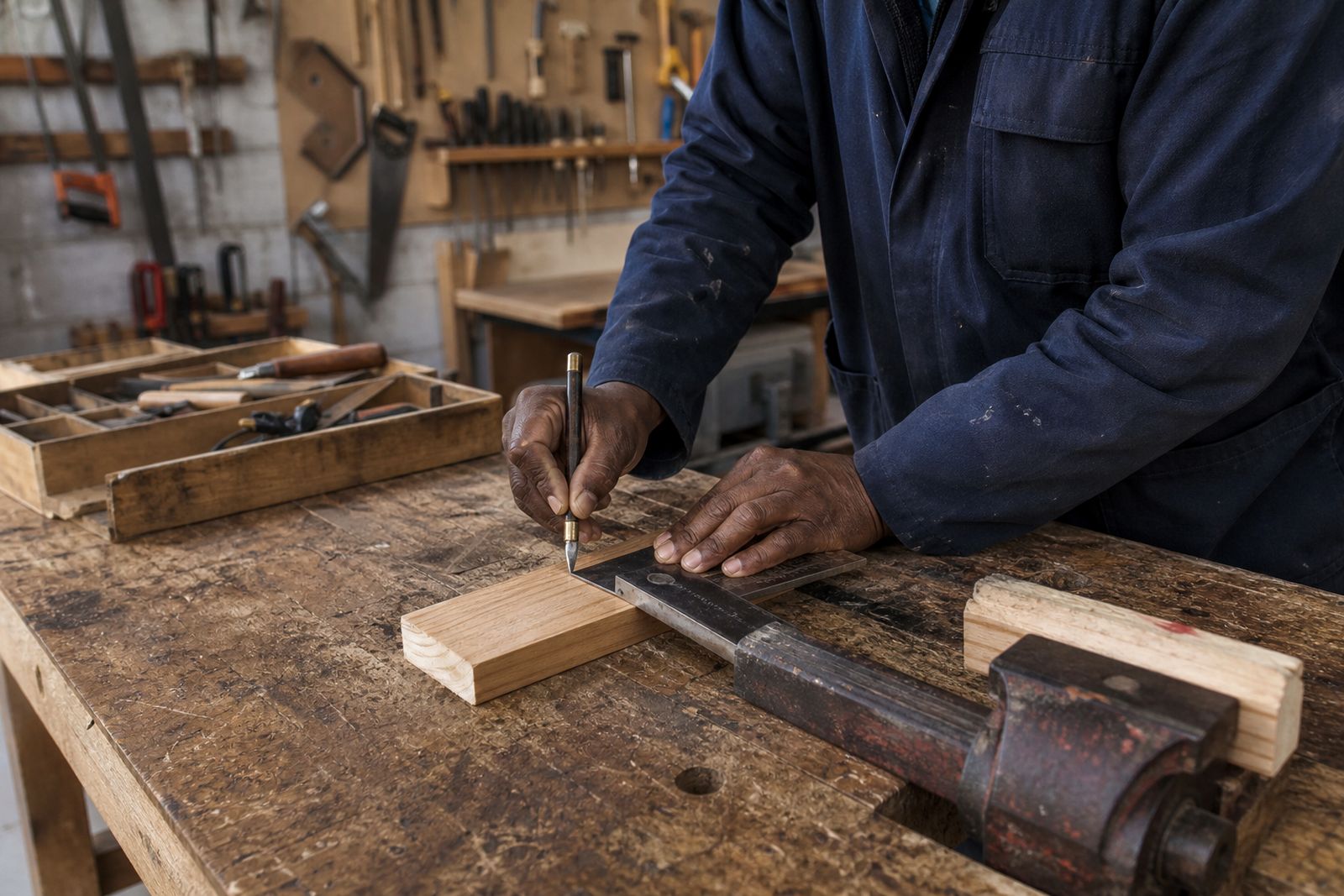
Knife lines in Sunnyrock bays
A knife line gives the square something exact to register against. On board edges, tubing wraps, and repair cuts, that fine mark stays visible after handling better than a fat pencil line.
Expect plain wording, countable steps, and a clear next move: a kit guide, a bench, or a booked hour through the contact form.
Before the first cut starts
In many Gauteng workshops, the error starts before the saw runs. One person measures from a worn tape hook, another reads the wrong side of the line, and the offcut gets blamed later. Mark once, cut once works best when one person marks, the stock is supported properly, and the waste side is identified before power comes on.
Marks worth trusting
Use a sharp marking knife on timber faces, sheet goods, and joinery shoulders where the cut must land exactly. For steel rules and combination squares, seat the rule firmly, pull the knife once, then check which side of the line is waste. If the note needs a bench visit or photo, send it through our contact form with the bay name, material, and the failed mark. Keep our contact form wording plain so the issue can be read beside the job, not in an office later.
Four checks before sawing
Mark once, cut once starts with a readable line in the right place. Say what you used to mark out, how you referenced the edge, and whether the error came from the tape, the square, or the cut itself.
Humidity, dust, and tape hooks
Coastal moisture can swell timber enough to make a perfect morning mark tight by afternoon. Highveld dust hides scribe lines on darker boards, so wipe the face before checking against a square. A loose tape hook, a chipped pencil tip, or a burred rule edge can each move the cut more than the operator expects.
Next stop after the knife note
Open /kit when the problem is carrying marking tools and gauges together. Go to /benches when the issue is stock support, clamping position, or repeat cuts at one station. If a team needs outside eyes on the process, use the contact form with a photo of the mark, the rule used, and the material being cut.
Continue with kit, benches, or the contact form.
What our Workshop Tool customers say
Verified Google reviews
Also worth a look
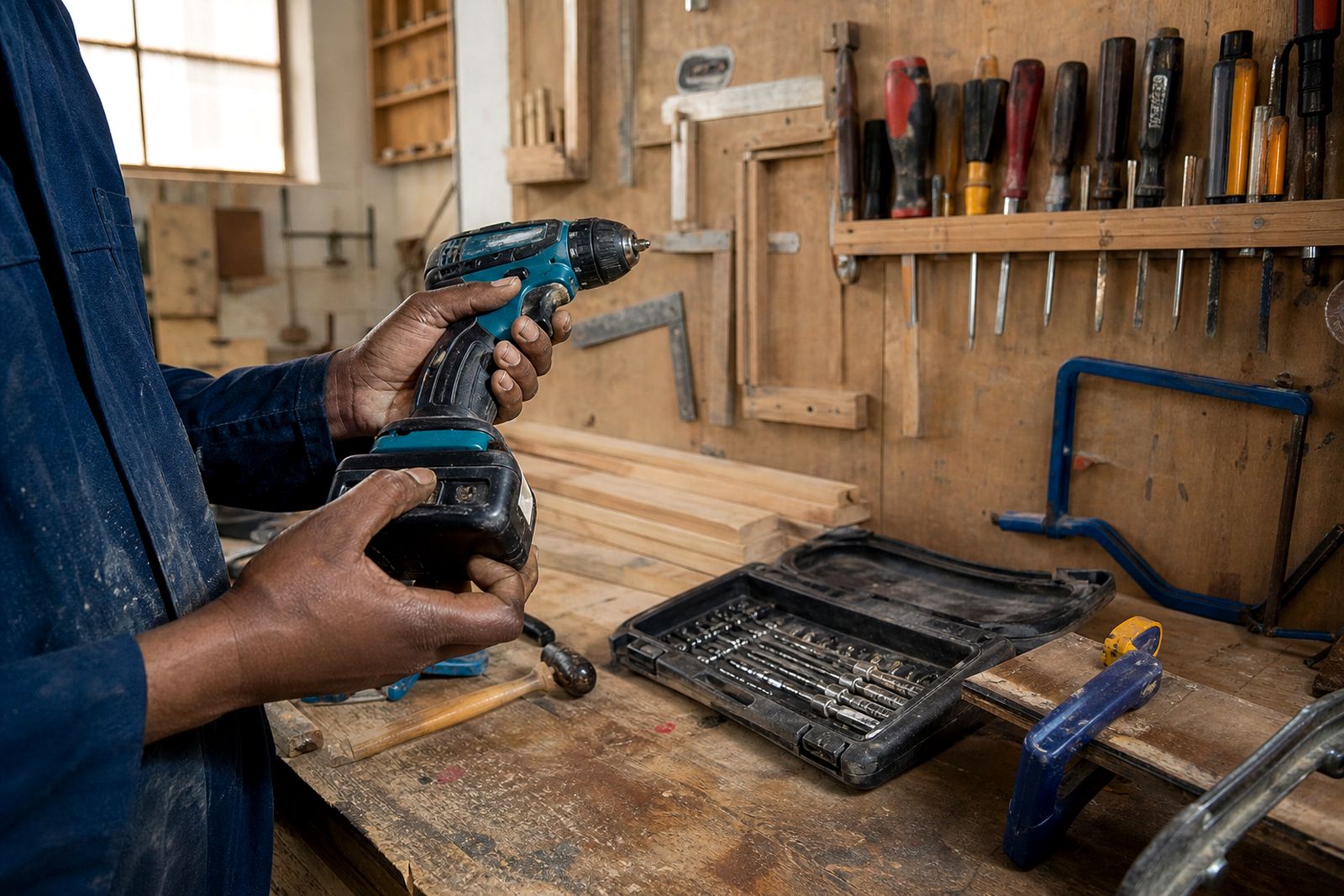
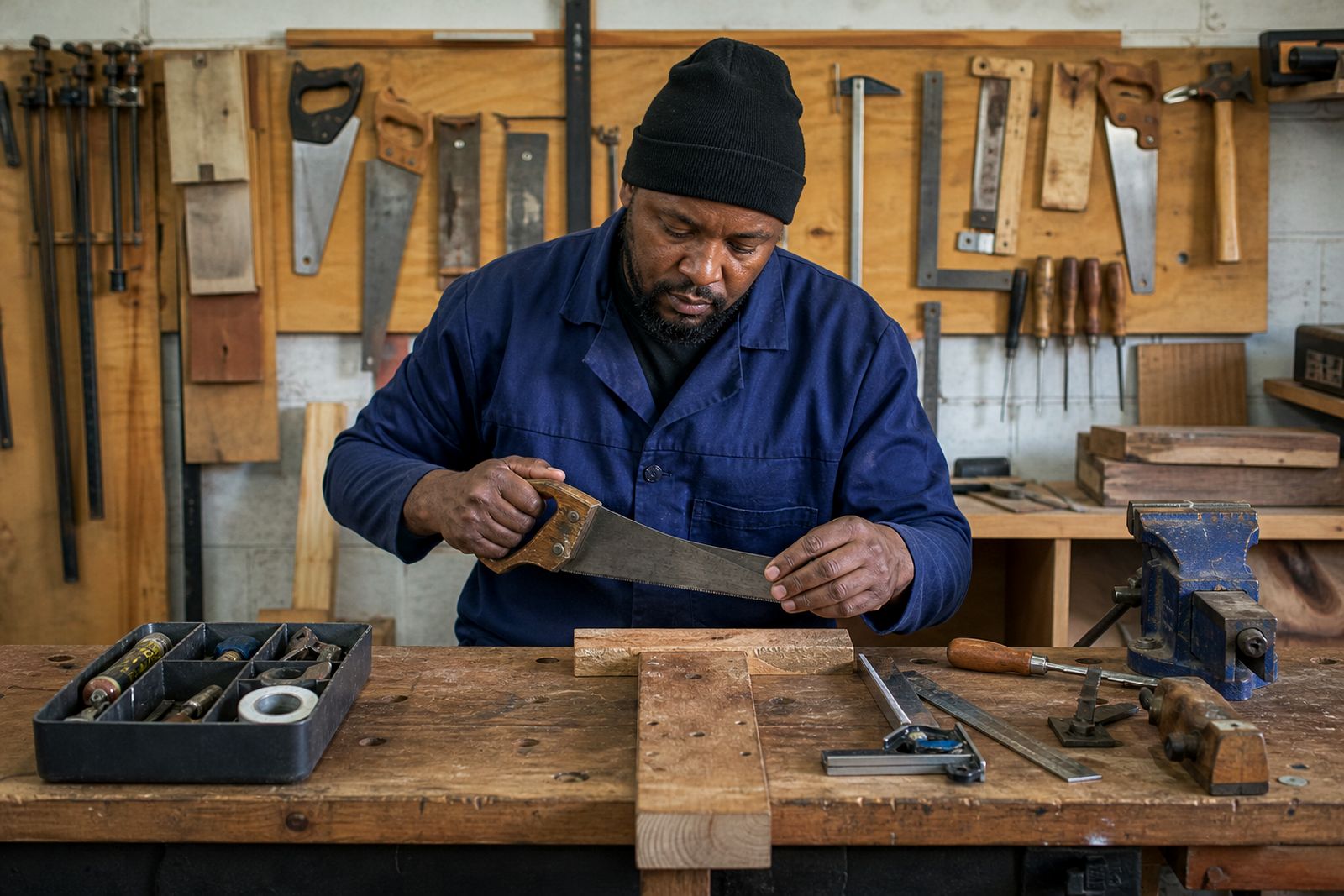
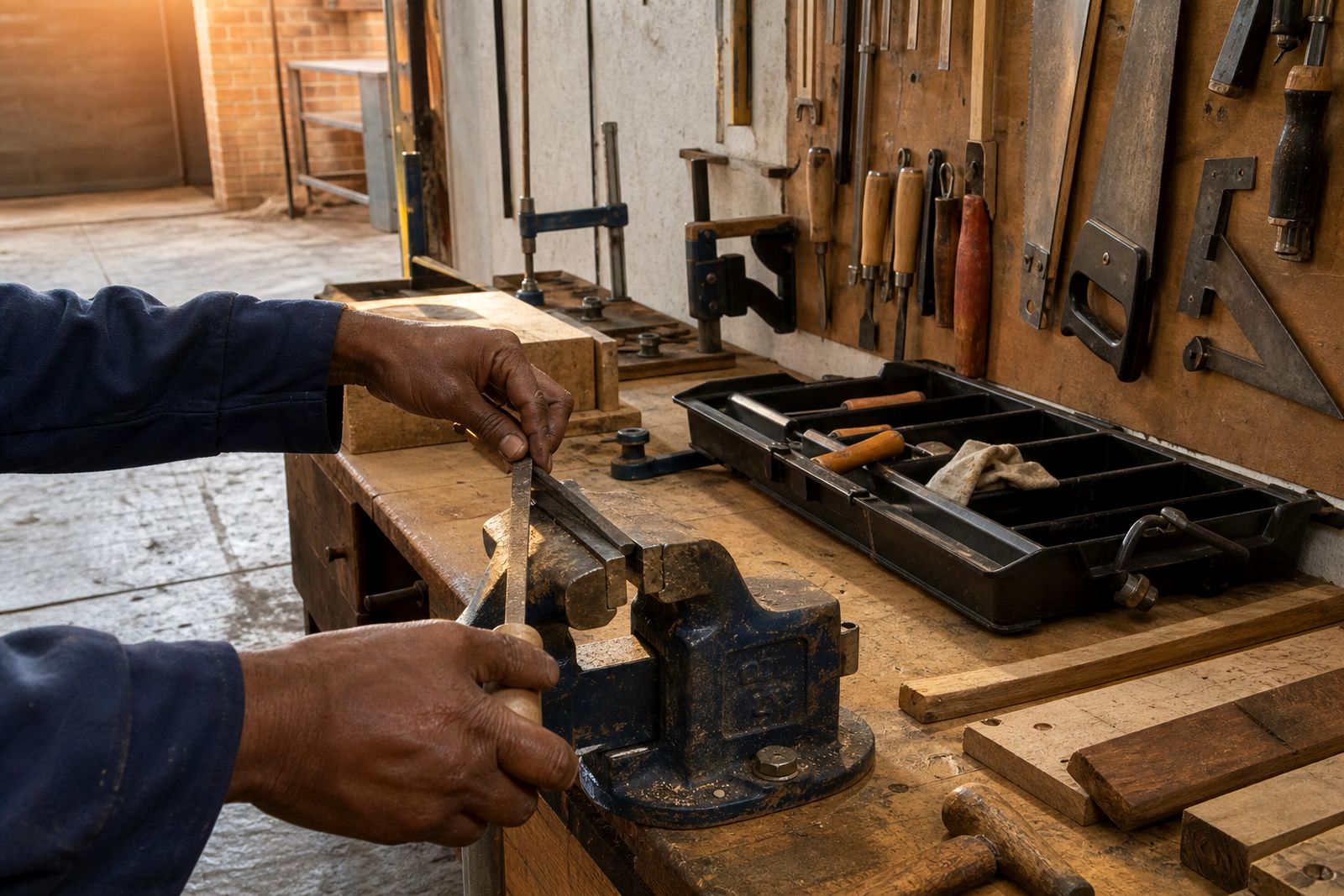
Tell us about your bench
Send a note through our contact form with the work you do, your bench and wall space, the tools you already have and your town, and we will come back with a practical shortlist and a quote.
Open the contact form