

Grit ladder honesty
Skip a grit and swirl marks move in for the weekend.
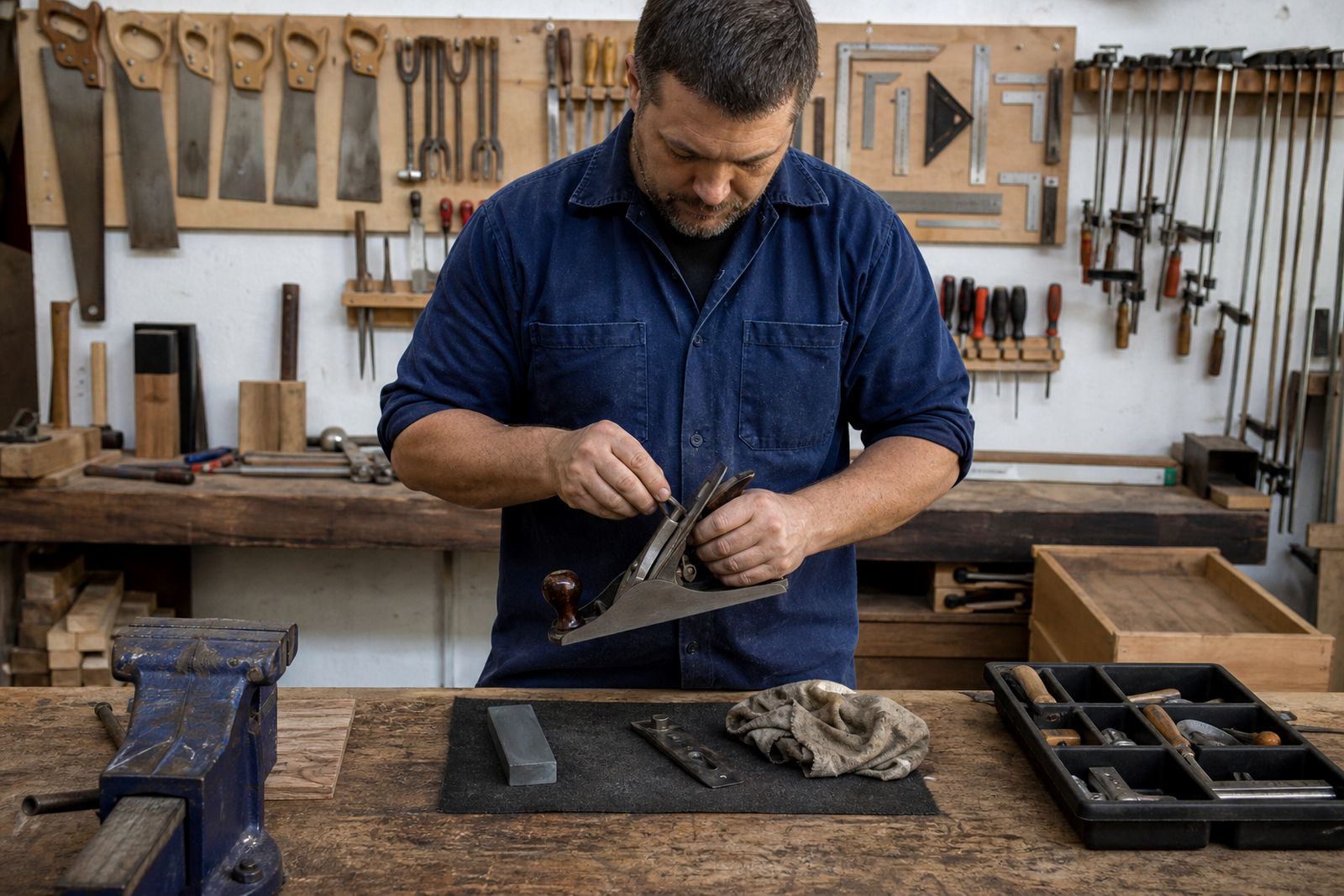
Where scratch marks start
Expect plain wording, countable steps, and a clear next step: a kit, a bench, or a booked hour through the contact form.
When the sanding sequence slips
A grit ladder fails in small ways before anyone admits it. One disc gets stretched too far, someone jumps from 80 to 180, and the first coat shows circles that were hidden by dust. In a South African workshop that might happen on pine shelving, painted MDF, or a hardwood top waiting for site fitment.
Marks worth checking first
Read the pad, the disc, and the timber before you reach for a finer abrasive. If 120 has not removed the 80 grit lines, 240 only polishes the mistake and makes spotting it harder under workshop lights. Keep one written sequence beside the bench, and note any break in the ladder after the test patch. If you need a second set of eyes, send the bench name, timber, and photo through our contact form.
Bench card for sanding runs
A grit ladder only works if each step removes the marks from the one before it. Mention the timber species, your sanding sequence, and the exact stage where swirl marks, loading, or scratch lines start showing.
Humidity, dust, and power gaps
Coastal air can clog paper faster, while Highveld dust settles back onto a panel between passes. Extension leads, shared sanders, and power cuts also change how consistently a finish is cut across the day. Check backing pads for wear, empty extraction before the fine grits, and keep discs in a dry drawer if the workshop takes damp overnight. Preferred abrasives earn their place by the finish they leave, not by the label on the box.
Next step after the test patch
See /kit for abrasive storage that keeps each grit separate, and /benches for bench setups where sanding stages stay visible. Use this note when a panel leaves 120 too early, when discs from different boxes get mixed, or when a quick denib turns into rework. If a photo of the scratch pattern tells the story better than a paragraph, send it with the bench name through a showroom booking or the contact route.
Next stop: kit, benches, or our contact form.
What our Workshop Tool customers say
Verified Google reviews
Also worth a look
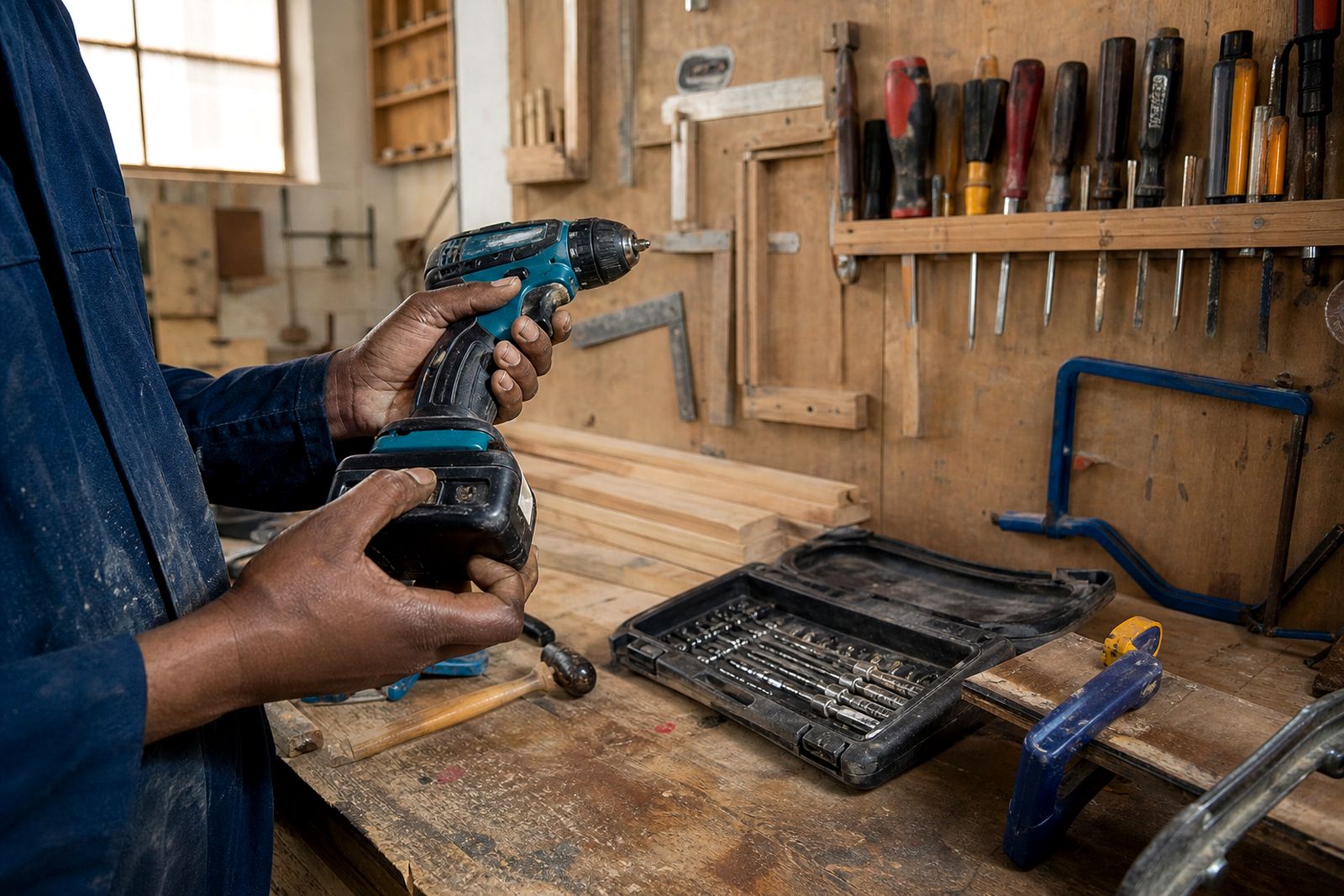

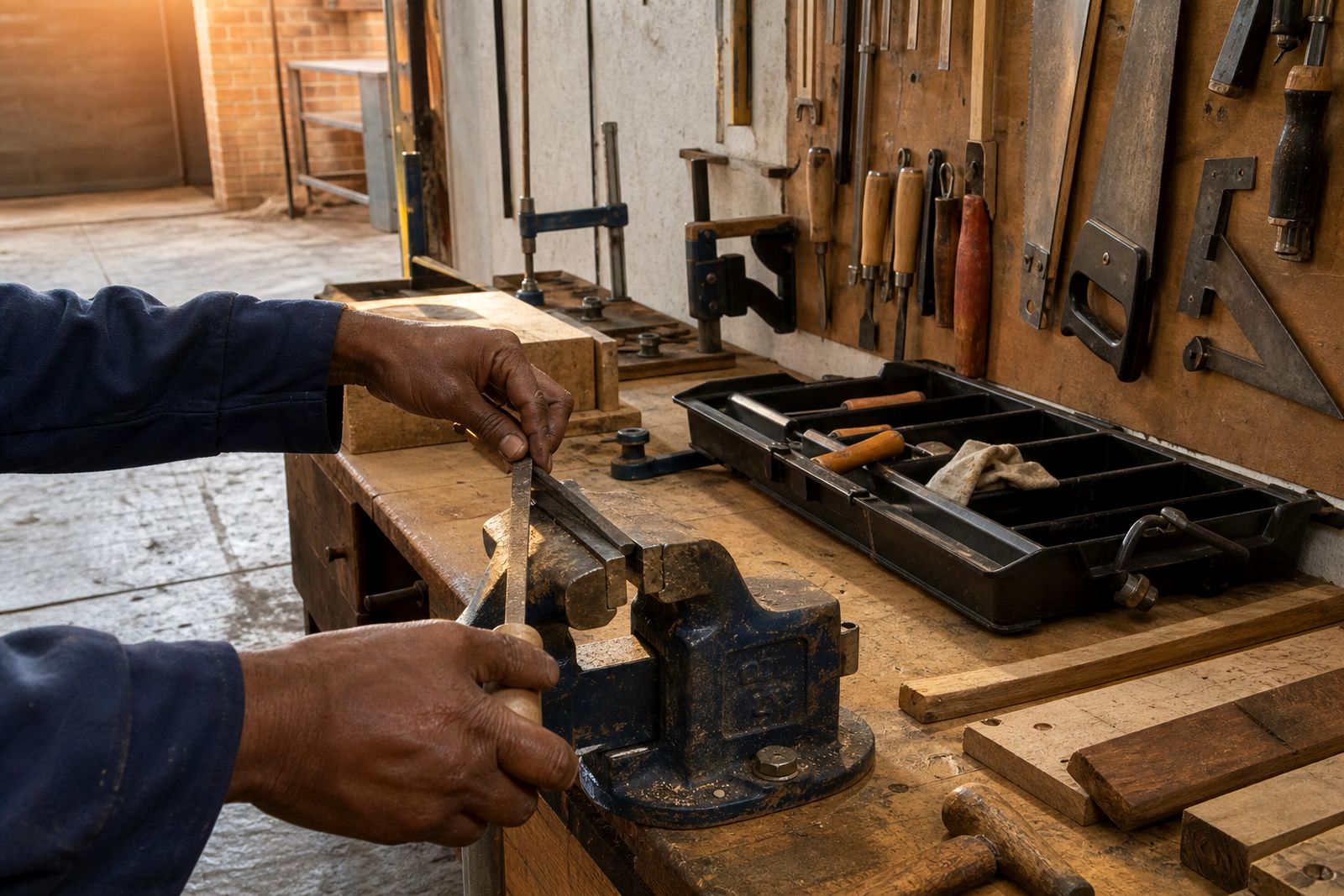
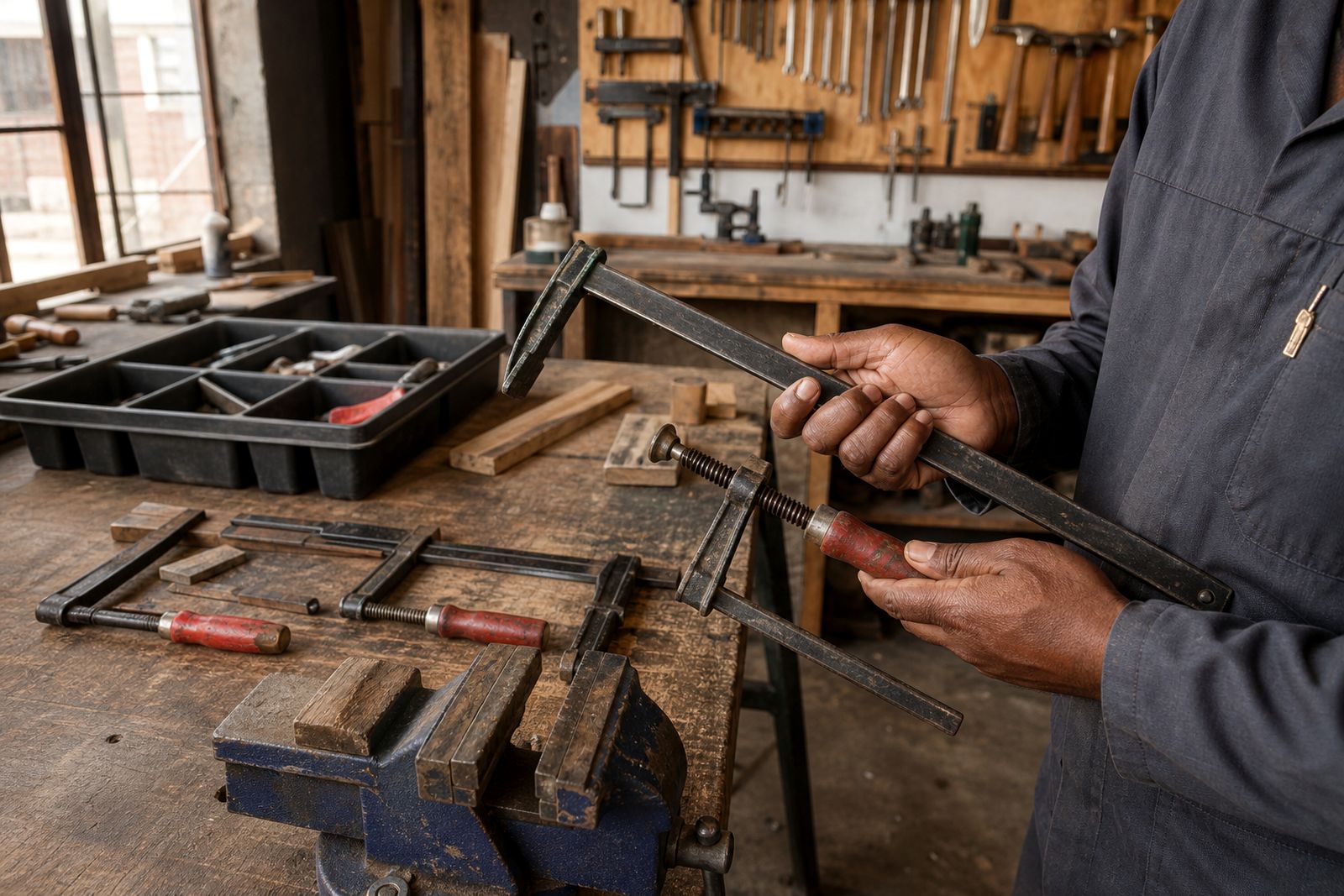
Tell us about your bench
Send a note through our contact form with the work you do, your bench and wall space, the tools you already have and your town, and we will come back with a practical shortlist and a quote.
Open the contact form