

Timber yard day
Clean cuts and layout for stock that leaves dusty yards.
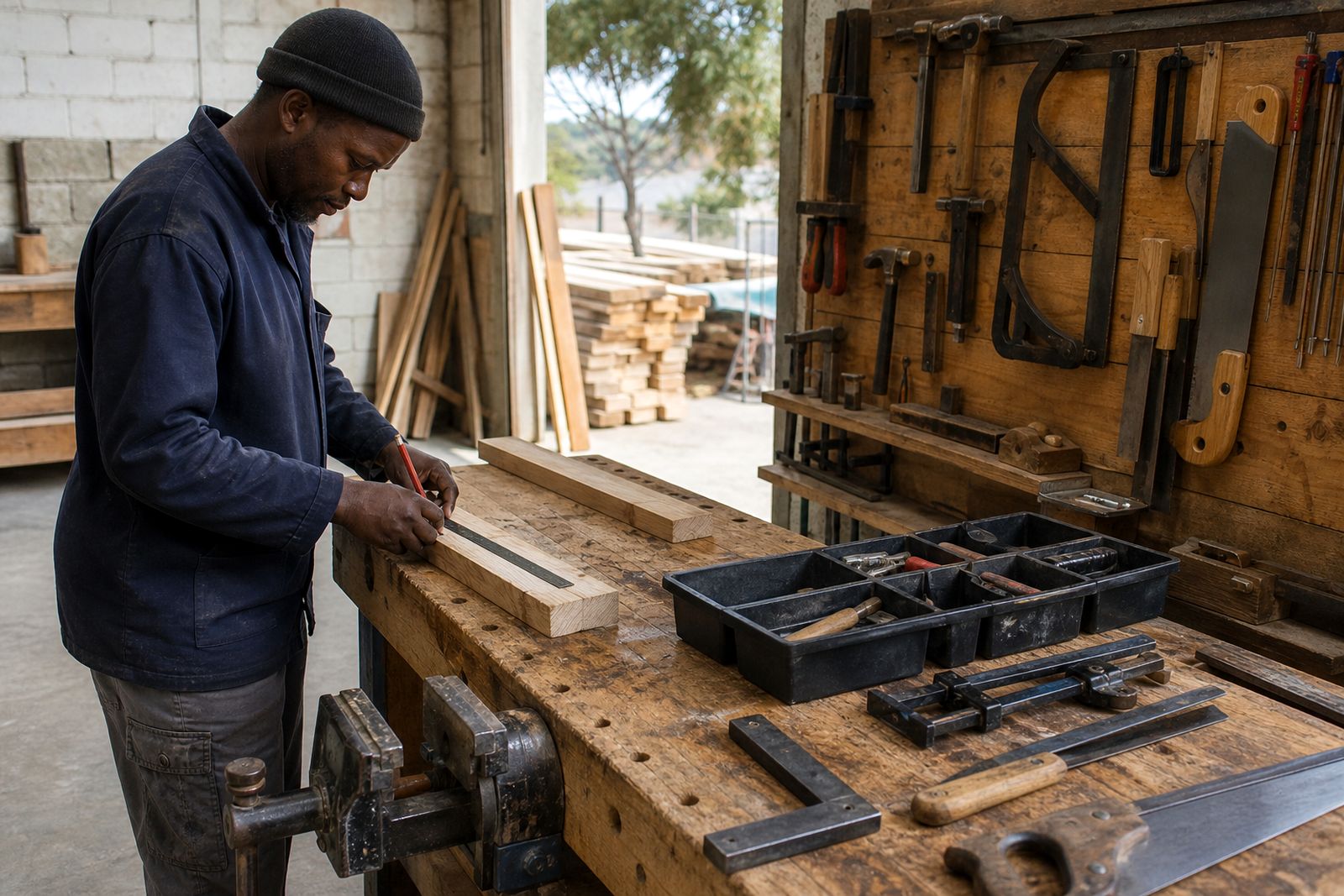
Timber yard day
Check the cut list against your tip notes and resources before anyone heads to the timber yard. Wet pine, rough saligna, and sheet goods each need different handling once they land on the bench. Note board lengths, tie-down points on the bakkie, and whether the load must go straight under cover.
From yard gate to bench
Timber yard day starts before the first board is lifted. Measure the vehicle bed, pack ratchet straps, and take a chalk pencil, tape, straightedge, and moisture meter if the timber will be used soon. At the yard, sight down each length for bow, twist, and edge damage instead of relying on the top piece in the stack.
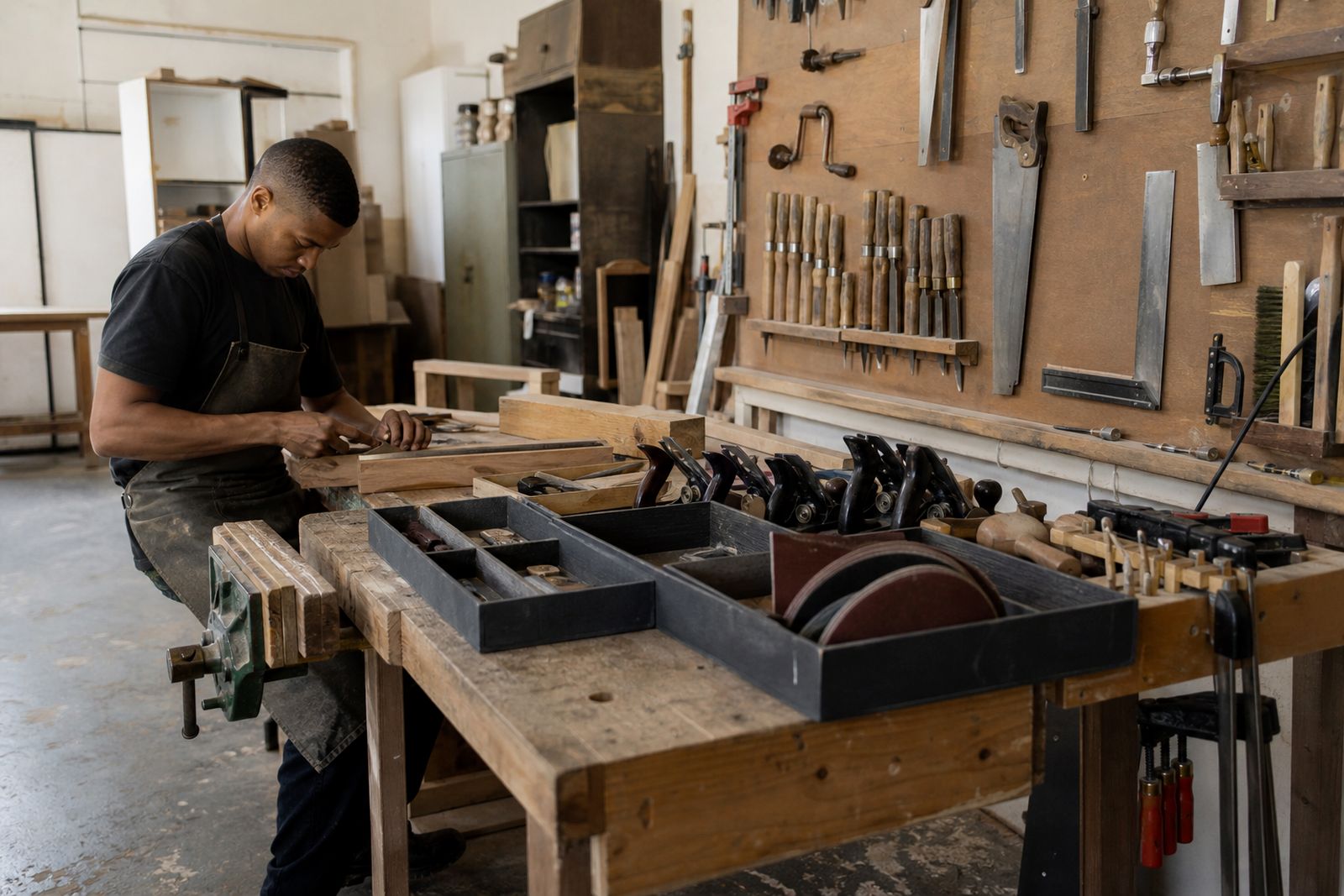
Once the load reaches the workshop, sort by species, thickness, and job before cutting anything. Treated pine should stay clearly marked, while sheet material gets checked for chipped corners and swollen edges from yard storage. Put the cutting list next to the stack and mark pieces that need acclimatising overnight.
South African conditions change how timber behaves after collection. Highveld afternoon storms can wet an open load on the drive back, Cape winter rain can soak sheet goods at the merchant, and Durban humidity can shift a straight board by the next morning. For that reason, re-check width, straightness, and moisture before ripping to final size.
Checks before the first cut
Set up one tray for receipts, treatment stamps, and the marked cut list so nothing disappears under sawdust. Keep a second space for suspect boards that show shake, blue stain, or bad warp after unloading. If someone needs to ask a question later, the stack, the notes, and the measurements should still match.
- Board lengths matched to vehicle capacity
- Warp, twist, and cup checked at yard
- Treatment marks kept visible after unloading
- Sheet corners inspected for transport damage
- Moisture reading noted for early machining
Weather matters on timber collections. Gauteng dust settles into rough-sawn stock, coastal air slows drying, and inland sun can heat a strapped bundle hard enough to pull a slight bend into softer pine. Stack with stickers where needed, and keep fresh purchases off bare concrete while they settle.
Where yard buys go wrong
Problems usually begin when a workshop buys on rough estimate instead of a worked cutting list. Extra lengths look useful until they steal rack space, and bargain boards become waste when knots land inside rail or stile sections. Buy for the job in hand, then leave room for one or two spare pieces only where the grain really matters.
Another common miss is cutting immediately after delivery because the stack looks tidy. Rough stock often hides end checks, staple scars, or a damp centre that only shows up after the first pass through the planer. Crosscut test pieces first, then decide what is fit for visible faces, paint-grade work, jigs, or packing strips.
For a timber-yard query, use our contact form and name the species, rough lengths, and board count. Add one photo of chalk marks or end checks if the stock looked suspect at pickup. Keep files small and note the town, because wet coastal timber behaves differently from dry Highveld packs.
What our Workshop Tool customers say
Verified Google reviews
Also worth a look
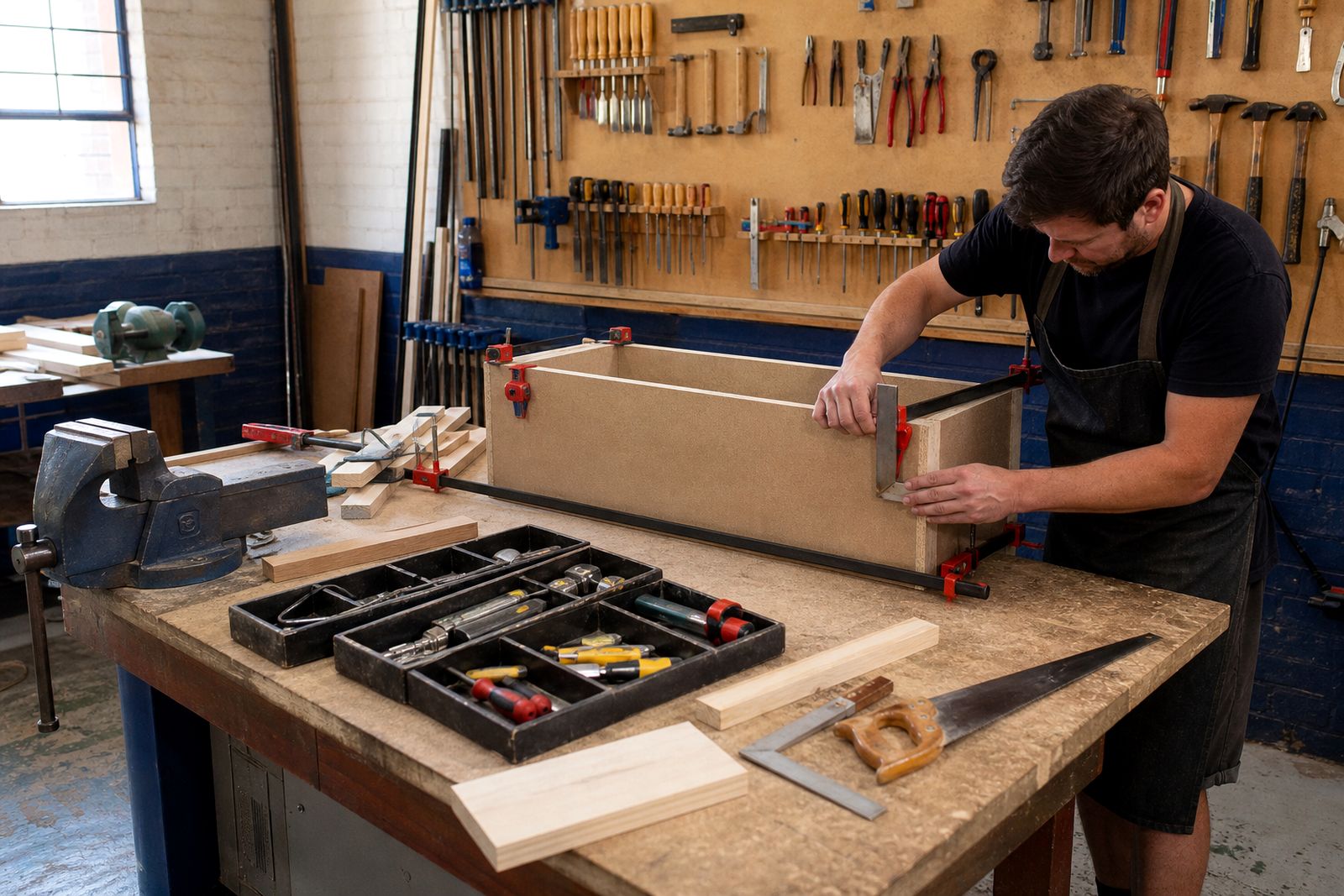
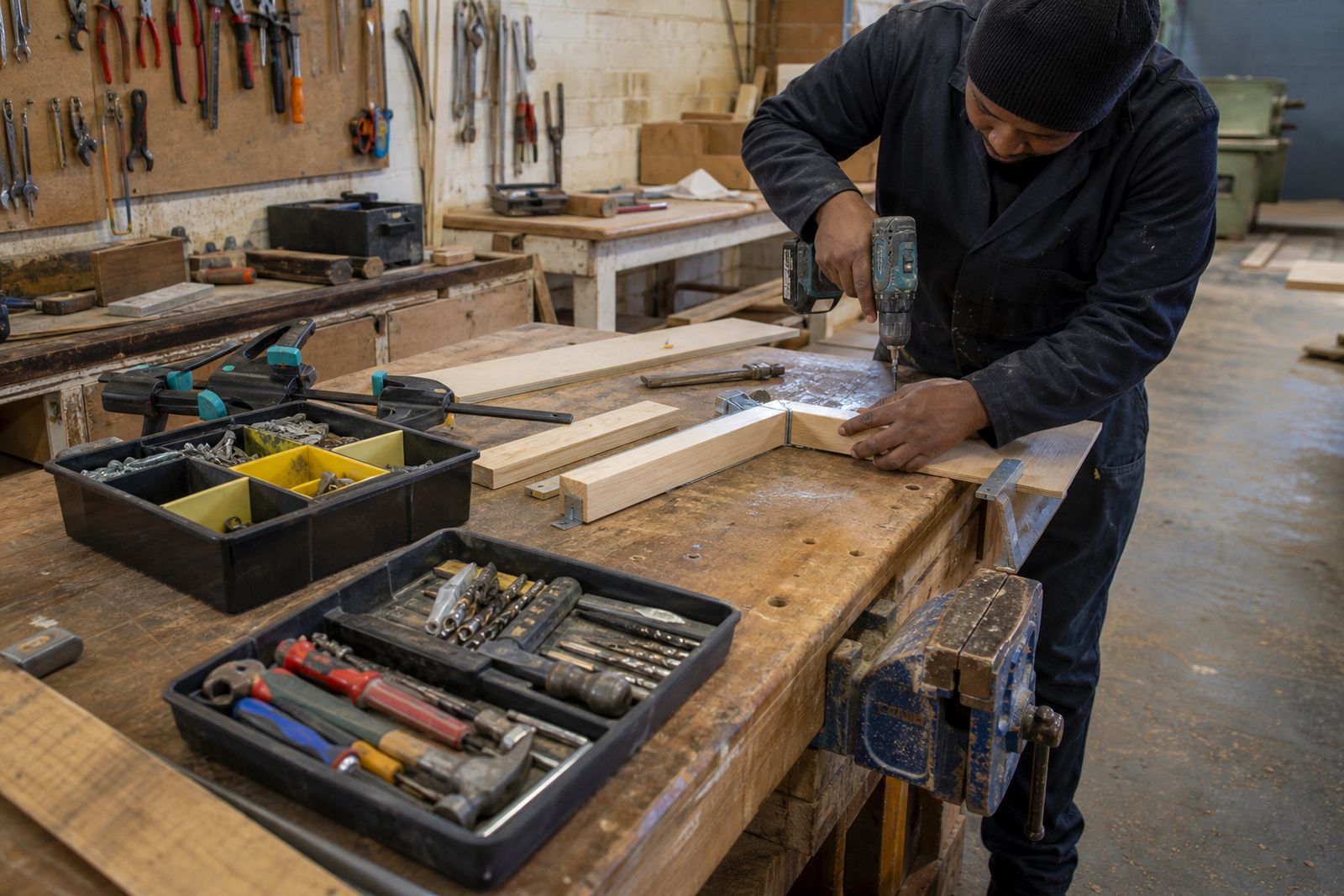
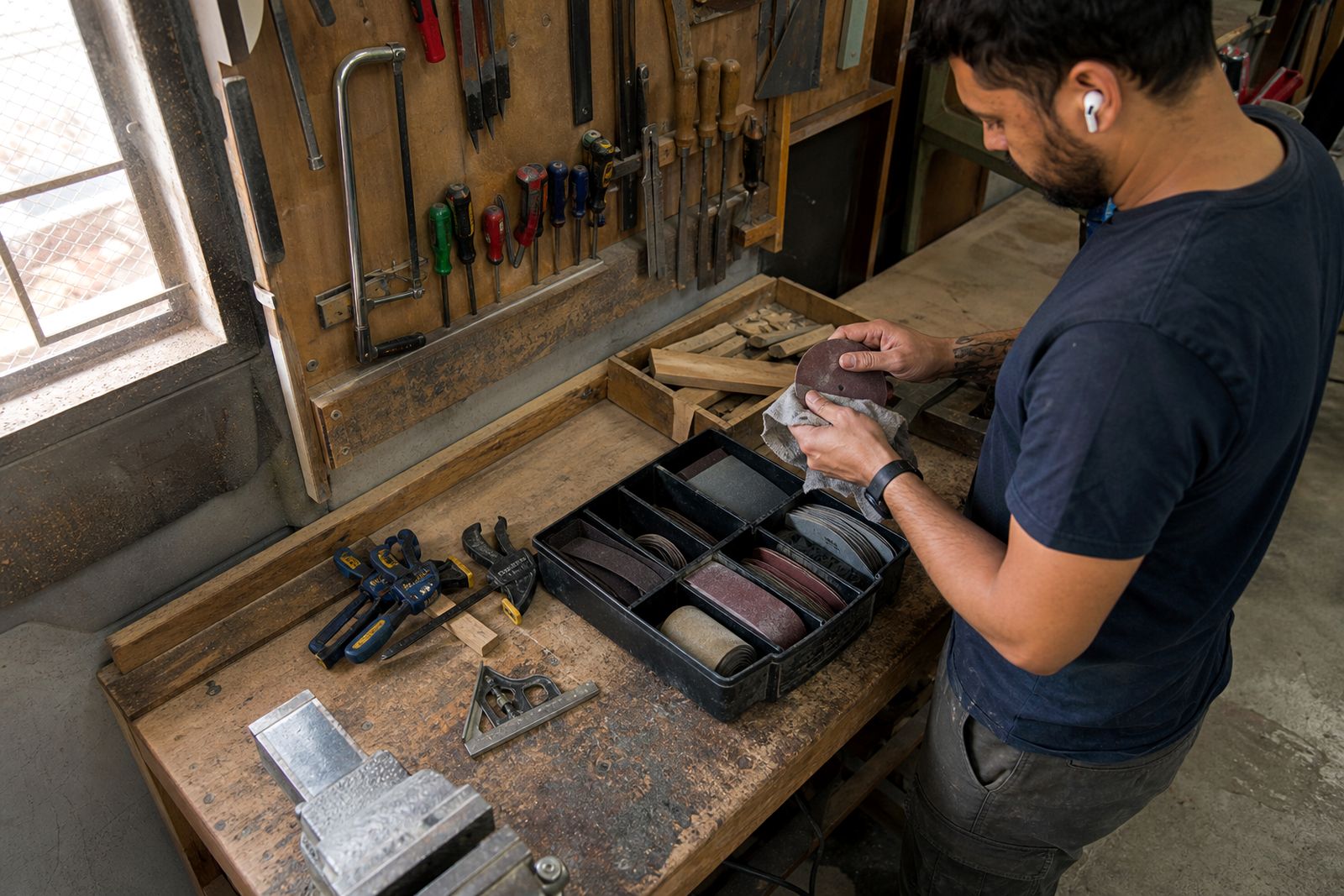
Tell us about your bench
Send a note through our contact form with the work you do, your bench and wall space, the tools you already have and your town, and we will come back with a practical shortlist and a quote.
Open the contact form