

Repair bay reset
Measure and fasten habits for a bay that fixes more than it invents.
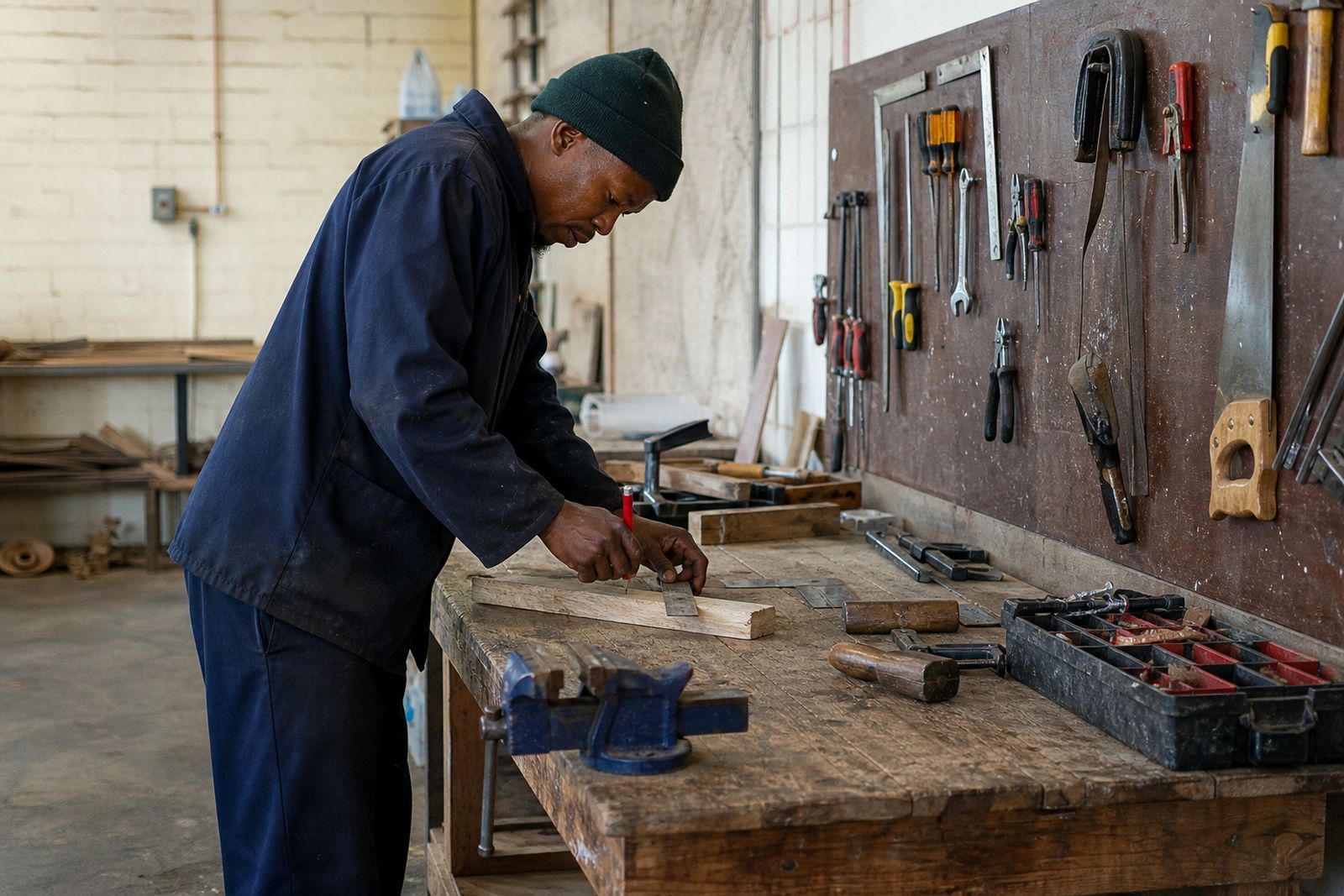
Five checks before spanners move
A repair bay reset is for workshops where half-done fixes keep breeding extra work. Begin by naming the item on the bench, the fault reported, and the test that will prove it is sorted. Then set out the tray for fasteners, worn parts, marked rejects, and customer pieces that must not get mixed into shop stock.
First, clear the bench and label anything that belongs with the job card. Next, inspect power leads, chargers, air hoses, and measuring gear before stripping the unit any further. After that, list missing consumables, note approvals still needed, and park non-repair extras so the bay stays on repair work rather than upgrades and guesswork.
Many South African workshops lose time when one bay becomes storage for unfinished jobs. Dust, metal swarf, and mixed fasteners quickly turn a simple repair into a parts hunt. If power cuts cut testing time, do teardown and cleaning while power is off, then reserve the live slot for measurement, fastening, and final function checks.
What stays on this bench
Keep only the items that support diagnosis and reassembly at arm's reach. That usually means the current job card, labelled trays, marking pen, vernier or tape, charged light, and the relevant tip note. When you use our contact form, send the bench name, town, and the checks that are still red so the conversation starts with the fault, not a long backstory.
- Fault written exactly as reported
- Parts tray split into keep and replace
- Measuring tools checked before reassembly
- Power test slot reserved and noted
- Completed unit tagged for collection
This setup suits repair corners in places like Sunnyrock, Germiston, where bench space is often shared across fitting, testing, and packing. A clear reset helps when one technician hands a job to another, especially if the customer unit still needs one part, one measurement check, or one powered test before release.
Common repair bay slipups
The reset breaks down when every loose item is treated as possibly important and nothing gets binned or tagged. It also goes wrong when fresh jobs are dropped onto the same surface before the first one has passed its final check. One bay should carry one active repair stream, with overflow moved to a separate holding spot.
Moisture, dirty extension leads, and poor lighting are frequent troublemakers in local workshop conditions. Clamp lane helps with held parts, safety first covers PPE and cable checks, and measure right helps when repeat fitment errors keep showing up after refit. Those combinations help the bay produce tested repairs instead of tidy-looking guesses.
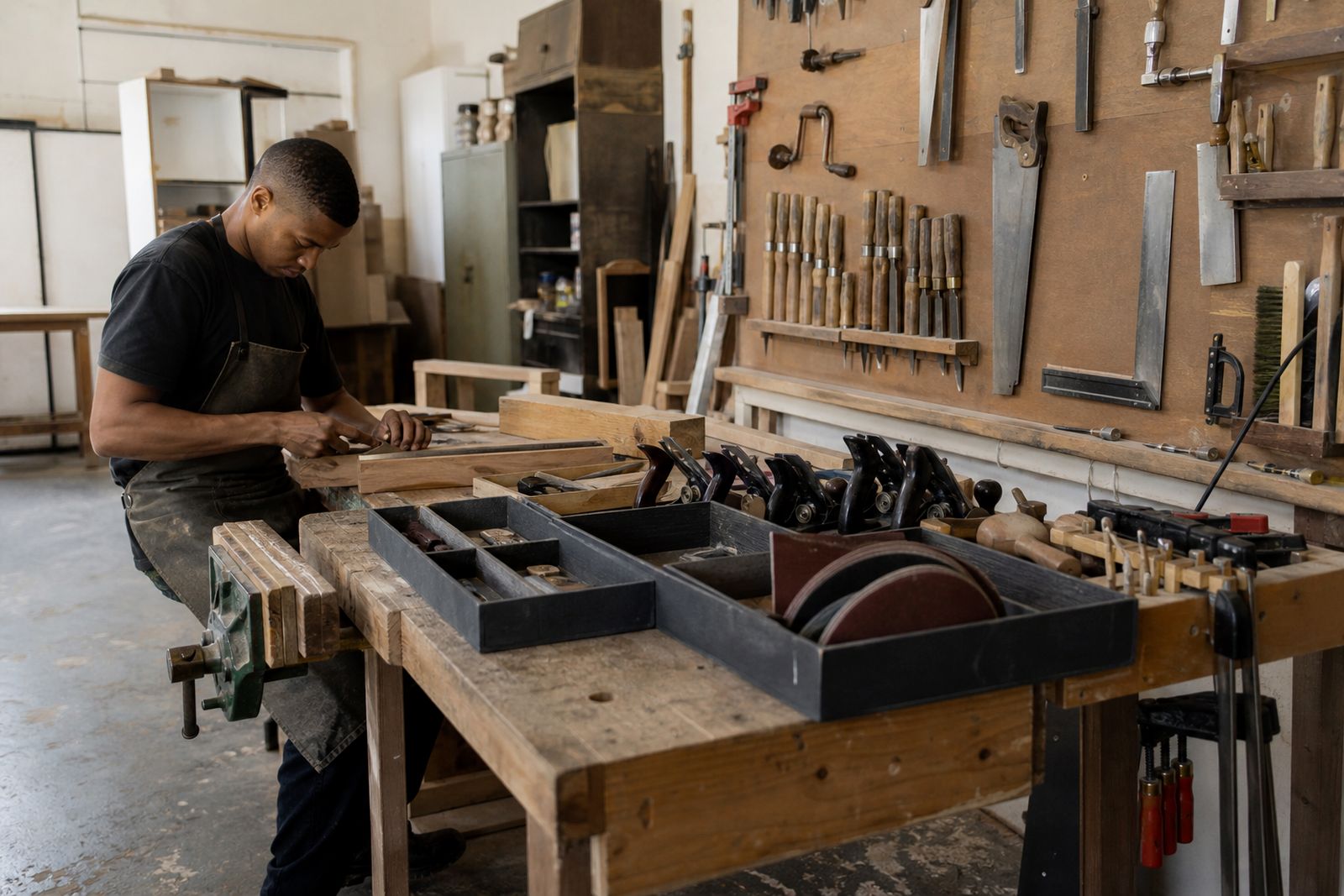
Start with our contact form and say you are resetting a repair bay. A clear photo of the bench, one image of the fault area, and three short notes on what has been checked are enough for a supplier review.
What our Workshop Tool customers say
Verified Google reviews
Also worth a look
Tell us about your bench
Send a note through our contact form with the work you do, your bench and wall space, the tools you already have and your town, and we will come back with a practical shortlist and a quote.
Open the contact form