

Prototype bench hour
Quick holes, honest bits, and a battery window that respects power cuts.
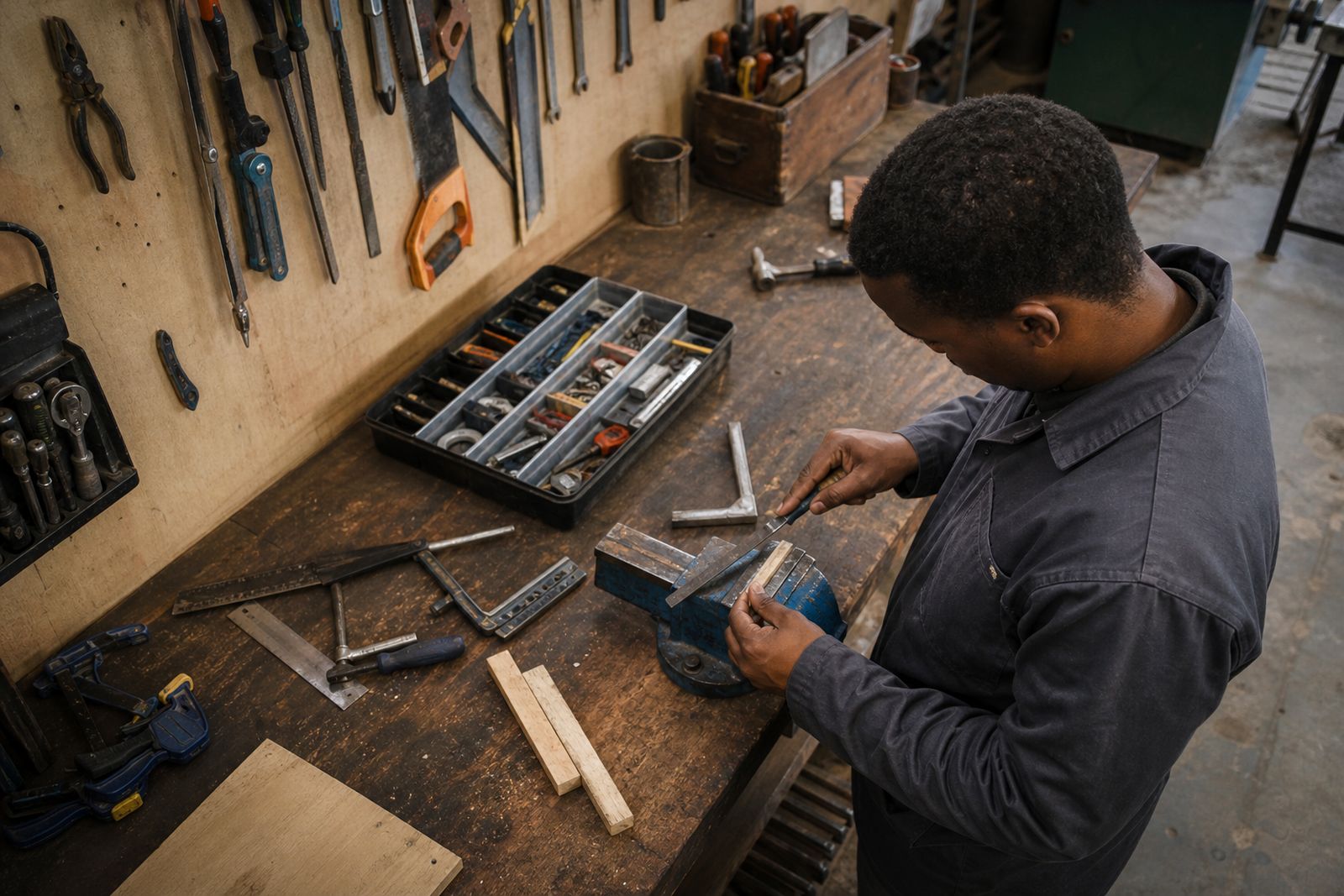
Bench hour routine
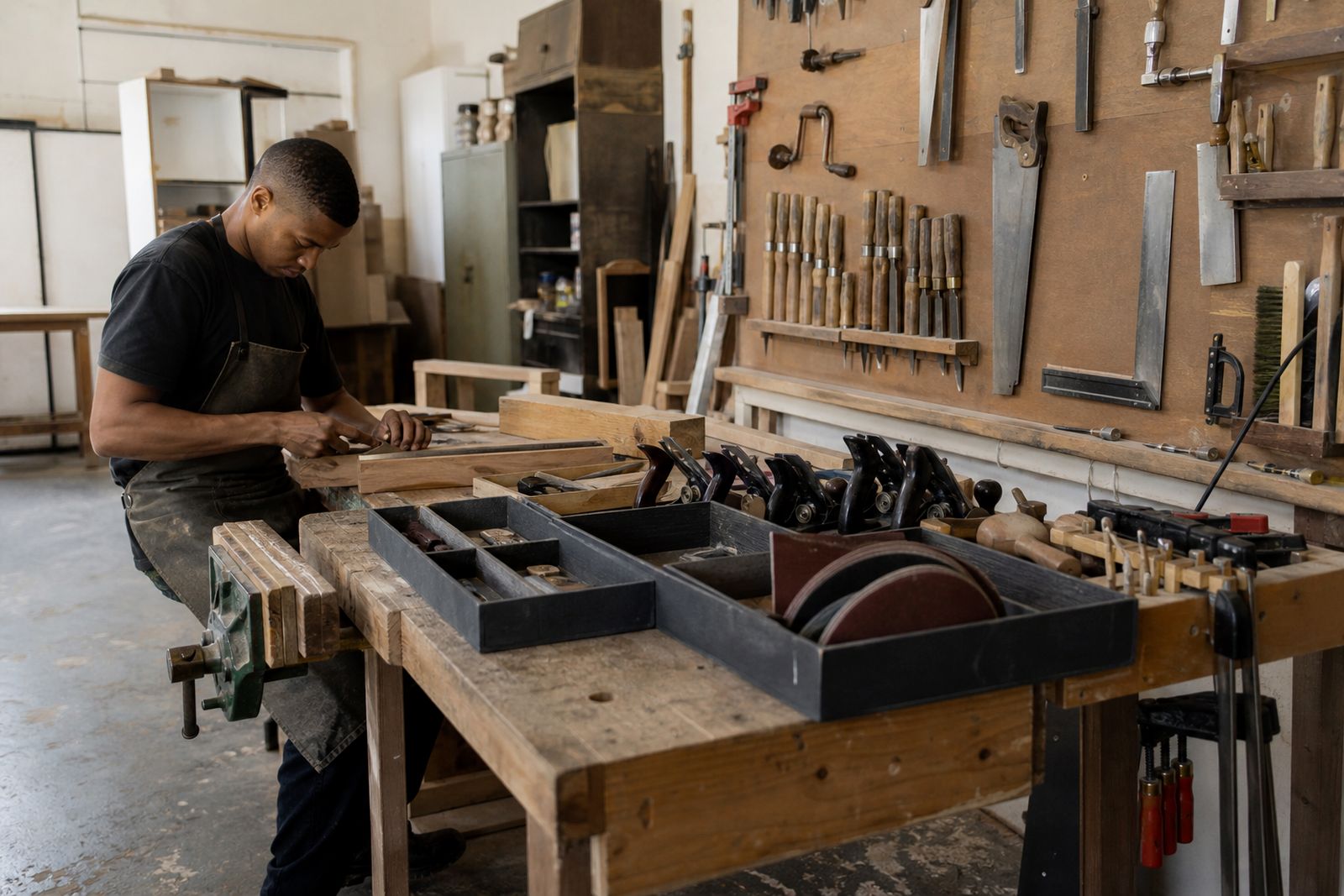
Prototype bench hour is a focused sourcing slot set inside a working bench day. The point is to confirm what must be purchased, what can be substituted, and what waits for power, stock, or courier windows. One person checks dimensions and quantities while another records supplier names, part codes, and any minimum order issue.
Start with the live prototype, not a wish list. Measure the opening, thickness, hole pattern, or battery draw first, then note the exact item to source and the nearest acceptable alternative. Before the hour ends, mark which parts are available in Johannesburg, Durban, Cape Town, or through a national branch, and which items need a longer lead.
Around South Africa, this work is often interrupted by power cuts, patchy mobile signal, and stock that differs between branches. Keep one charged phone, one paper list, and the bench sample in reach so nobody relies on memory. If power drops, carry on with handwritten checks, supplier numbers, and a photo of the prototype beside the marked dimensions.
Checks before supplier calls
Link the bench to at least one stocked item and one written reference from the tip notes. Keep the resources open for sizes, material names, and common hardware terms your team will repeat the same way. When using our contact form, include the bench name, your town, and the items still needing source confirmation.
- Prototype measured from the actual piece
- Part code, size, and quantity written
- Branch or town noted beside stock
- Battery, charger, or voltage checked
- Fallback option listed for shortages
A bench hour can include visits or calls tied to centres such as Sunnyrock, Clearwater, Cresta, Pavilion, Tyger Valley, Baywest, Mimosa, and Riverside. Those stops are useful for comparing finish, gauge, fit, and packaging when the website photo does not settle the choice.
Where sourcing trips fail
This bench breaks down when the team chases every possible upgrade instead of the parts that keep the prototype moving. Trouble also starts when nobody locks the exact spec, so a 12 mm board becomes 16 mm, or one runner type quietly changes the drilling pattern. Keep the list tied to the current build and park future variants for another session.
Humidity can swell timber samples, and heat in a bakkie can distort plastics, tapes, and adhesives before they reach the shop. Clamp lane covers glue-up delays, Safety first covers cutter and PPE checks, and Measure right matters when fitment depends on repeatable holes. Bench start helps when the prototype arrives with no written baseline at all.
For a supplier review, use our contact form and keep it lean. Add one checklist photo plus three plain status lines covering stock, dimensions, and the next power window. Leave out oversized files unless they show a fault clearly.
What our Workshop Tool customers say
Verified Google reviews
Also worth a look
Tell us about your bench
Send a note through our contact form with the work you do, your bench and wall space, the tools you already have and your town, and we will come back with a practical shortlist and a quote.
Open the contact form