

Clamp Lane service
Yard handoff and service prep for Clamp Lane.

How Clamp Lane works in a real week
For yard intake and prep details, use the support notes with the contact form. If the clamp lane query is broader than one handoff, send it through our contact form with the site, suburb, and what is waiting at the gate.
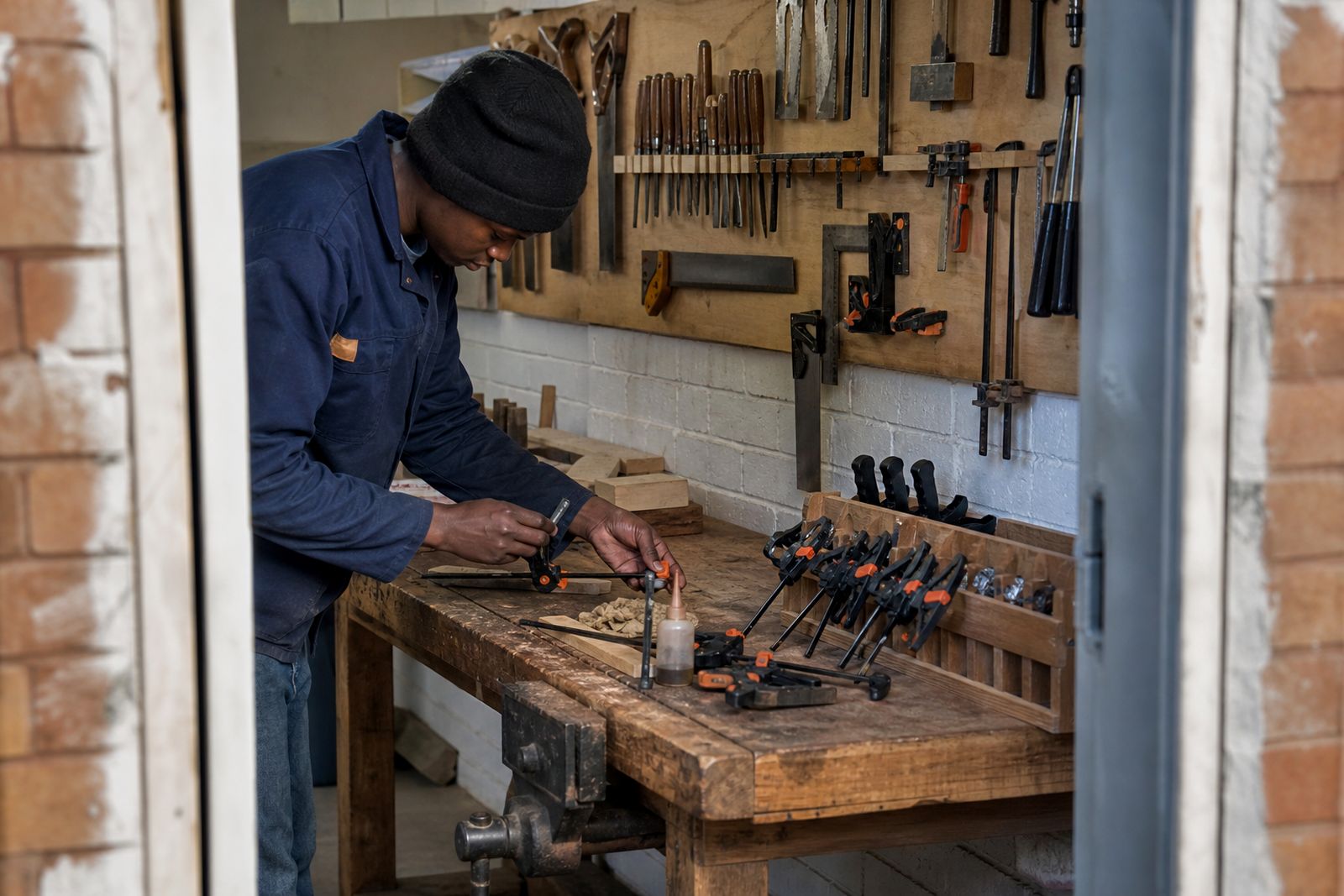
Pair this service page with our tip notes on staging, labels, and bench traffic. If you want to see where Clamp Lane fits in a small shop setup, the projects pages show the surrounding kit and work points.
Clamp Lane service is for the awkward stretch between arrival and bench use. We map where clamps land, how they are counted, and which prep checks happen before they vanish into mixed racks. In South African workshops that share tools across fitting, assembly, and glue-up, that handoff point decides whether the next job starts cleanly or with a hunt.
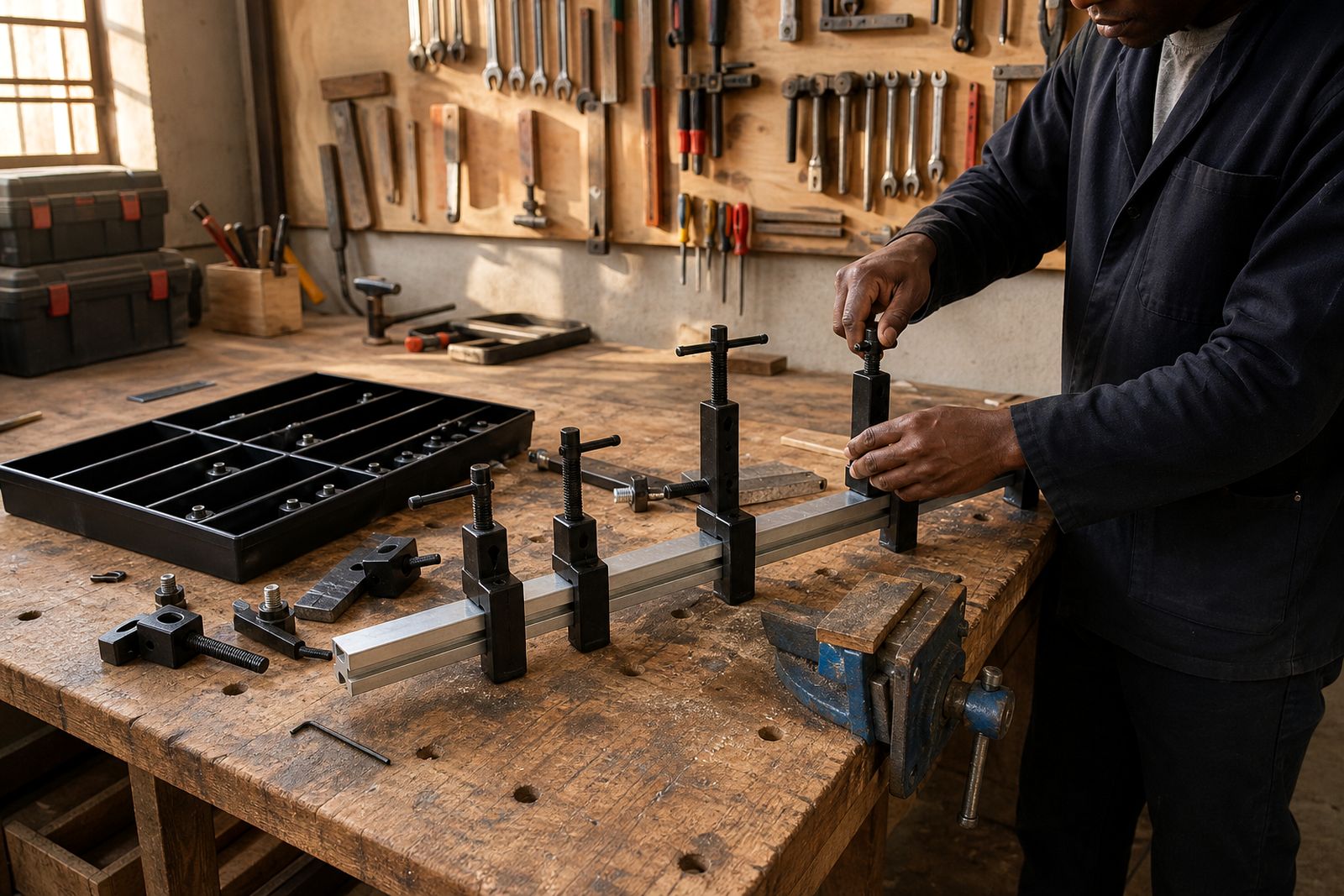
Start with the clamp traffic, not the full workshop plan. A service check looks at bar length mix, pad condition, screw travel, bent rails, and whether quick-grips are being used where proper pressure is needed. On the Highveld, dust in threads and light surface rust after damp mornings both matter, while coastal shops usually need stricter wipe-down and storage habits for steel parts.
Bring the first intake count into writing before the lane gets busy. Each visit or handoff can be logged through our contact form so a yard team, driver, or assembly lead can see what arrived, what needs attention, and what should not go back into circulation yet. That record is useful when clamps move between a container, a wall rack, and a shared bench in one week.
Clamp intake and staging
The service output is kept short enough for the lane wall or dispatch board. Expect a clear count format, a basic inspection list, and a simple ownership note for returns, damaged pieces, and prep before issue. We write these sheets in plain South African English so a workshop hand, yard receiver, and site lead can all read the same page without translation.
When the lane needs more than storage, use our contact form. Include the main problem, your town or industrial area, and whether the problem sits at receiving, cleaning, rack layout, or the handoff to the bench. Clamp Lane works best when one person checks numbers, flags faults, and signs off movement back to stock.
- Arrival count sheet for mixed clamps
- Thread, pad, and rail checks
- Handoff note for yard to bench
- Related: assembly kits and tip notes
Workshop conditions that affect clamps
Clamp Lane is written for sheds and yards that deal with dust, gate delays, shared storage, and weather swings. Rust starts differently in Durban air than it does in inland Gauteng, and a service note should reflect that. We do not replace machine agents, safety files, or engineering sign-off where those are required.
The note also assumes clamps get misused when the right size is missing. Small schools, starter shops, and busy joinery spaces often mix sash clamps, F-clamps, spring clamps, and improvised fixes on the same job. If your setup is larger, say whether the lane serves one bench room, a yard cage, or several buildings, and we can point you to Clamp Lane, Layout Board, or Power Assist.
What our Workshop Tool customers say
Verified Google reviews
Tell us about your bench
Send a note through our contact form with the work you do, your bench and wall space, the tools you already have and your town, and we will come back with a practical shortlist and a quote.
Open the contact form