
Cape Town finish Friday
Dust before polish on a windy Atlantic week.
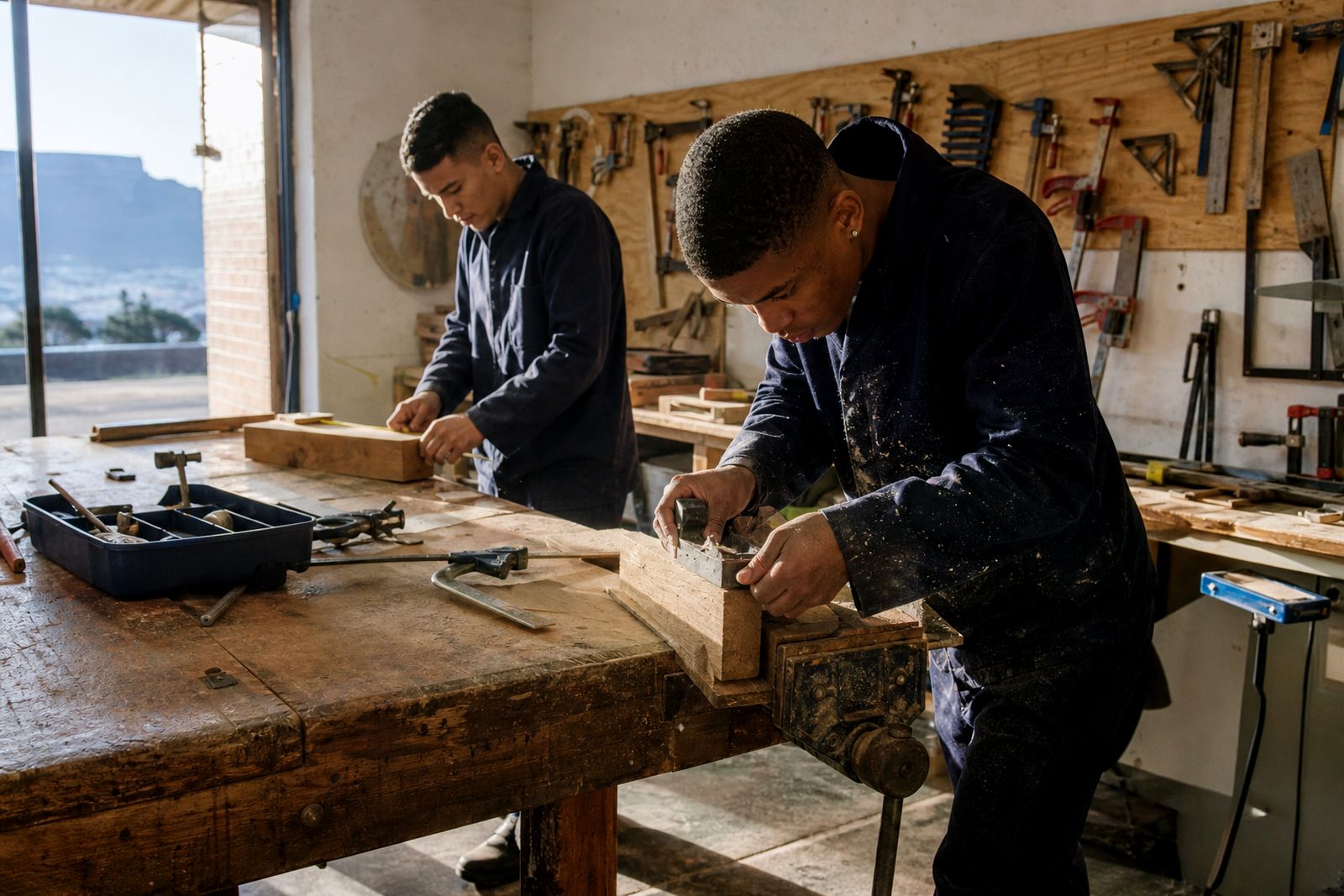
Atlantic wind dust checks
See the related benches and kit pages that pair with this finish run. This Cape Town note centres on wiping varnish, dust control near open roller doors, and tray layout for cloths, abrasives, and tack rags. Compare it with your own Friday prep before setting out tins and sample boards.
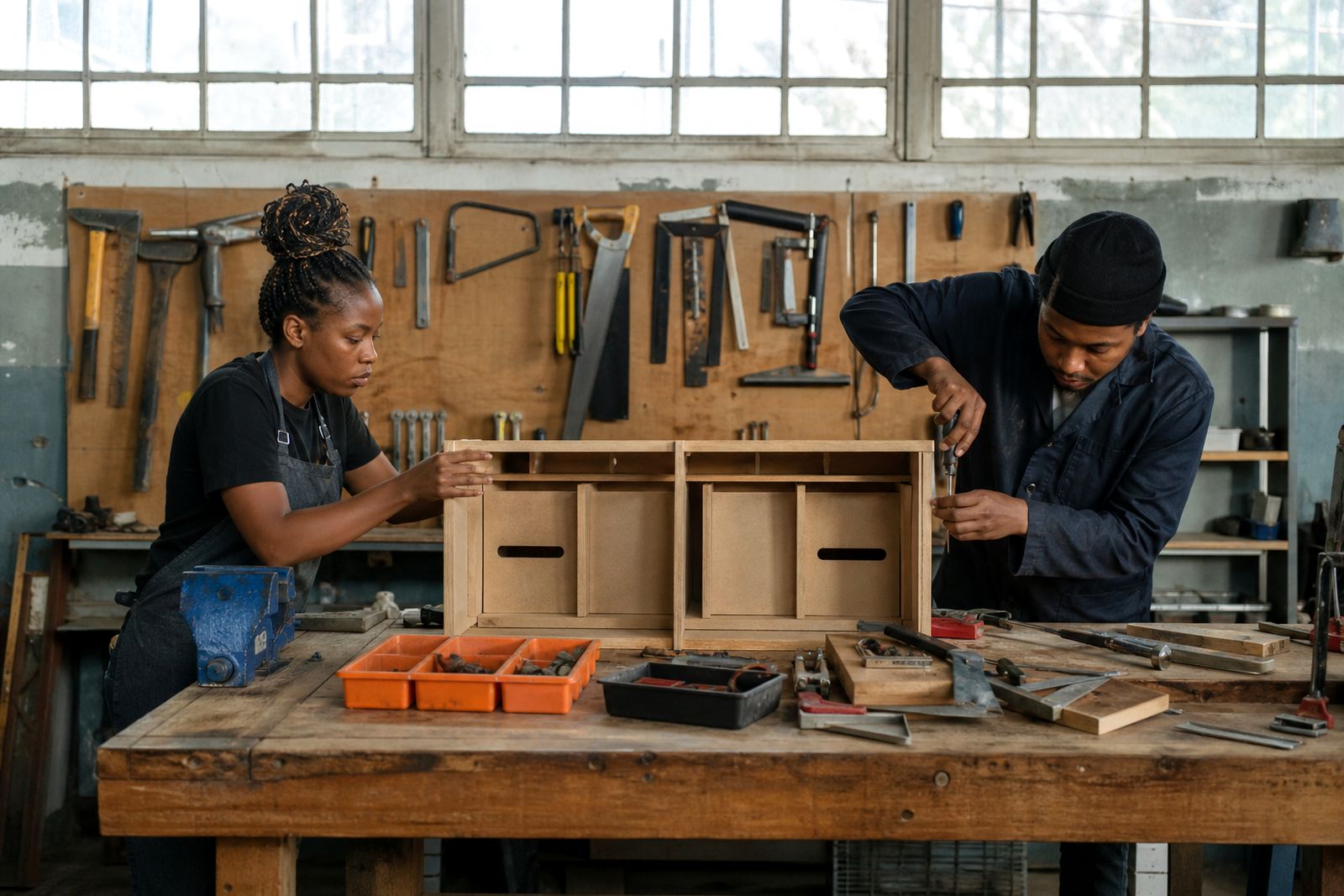
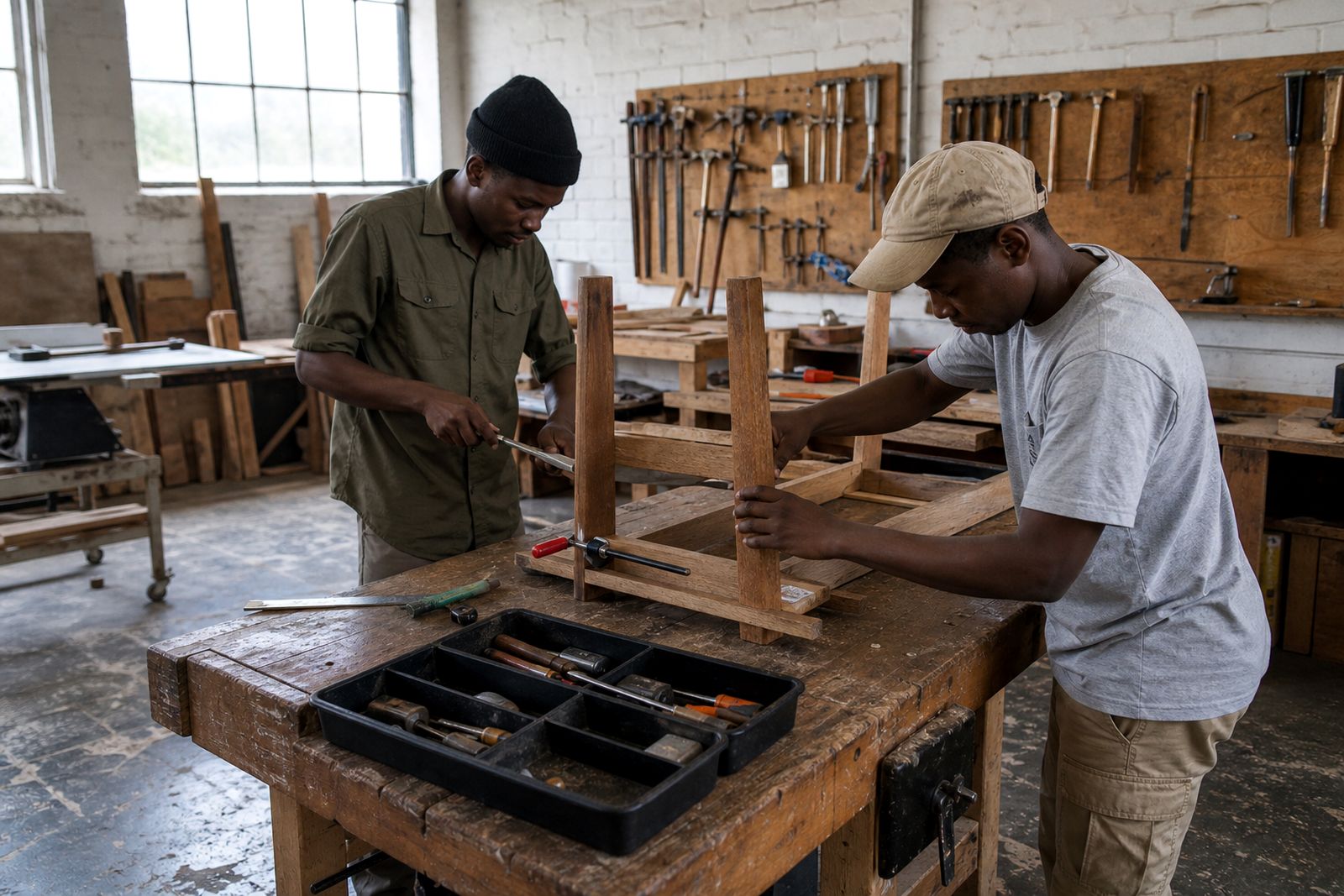
On this Cape Town finish Friday, the first pass was not the topcoat but the air check around doors, windows, and extraction points. Salt air and fine grit can settle on wet surfaces faster than a team expects, especially in workshops closer to the coast. We kept abrasives, clean rags, and mixing sticks on separate tray spots so the polishing side stayed free of sanding dust.
Stand work keeps moving when the photo of your bench or tool kit shows the real mess, not the cleaned-up version.
Shops comparing finish options, bench setup, and the order of wipe down before polish need a clear starting point. A small set of references is usually enough for a Friday meeting: the finish note, the matching bench page, and one tip sheet on dust. Site conditions still matter, particularly where traffic, spray drift, or a windy loading bay changes how clean a piece stays between coats.
Next tweak for this run
The clearest improvement would be earlier marking of clean and dirty zones on each tray. Finish cloths, denibbing pads, gloves, and waste tins need fixed positions once the polishing starts, or the bench picks up contamination. Use our contact form if you want the change notes written out for a Cape Town workshop layout.
What our Workshop Tool customers say
Verified Google reviews
Also worth a look
Tell us about your bench
Send a note through our contact form with the work you do, your bench and wall space, the tools you already have and your town, and we will come back with a practical shortlist and a quote.
Open the contact form