
Cut Clean service
Yard handoff and service prep for Cut Clean.
Cut clean weekly check-in
For Cut Clean bookings, send the workshop snag through support, then add site details on the contact form. Photos of chipped edges, resin build-up, or transport damage help. If you need to attach extra notes, use the contact form.
Before booking, check the matching tip notes for prep and storage points. The related projects show where Cut Clean fits between delivery, bench setup, and first use.
Cut Clean service is for tools and shop gear that need sorting before they go back into use. We focus on handover snags such as dirty cut lines, packed sawdust in slides, sticky labels on steel, and trays that arrived mixed. In a South African workshop, that often means yard dust, courier grime, and parts stored through a damp coast week or a dry Highveld spell.
Bring the item in with the fault still visible if you can. Marker bleed on aluminium, adhesive residue on guards, and clogged corners inside cases tell us more than a wiped-down return. Where blades, fences, inserts, or small fasteners travel separately, we check that the set matches before the tool goes back to the bench.
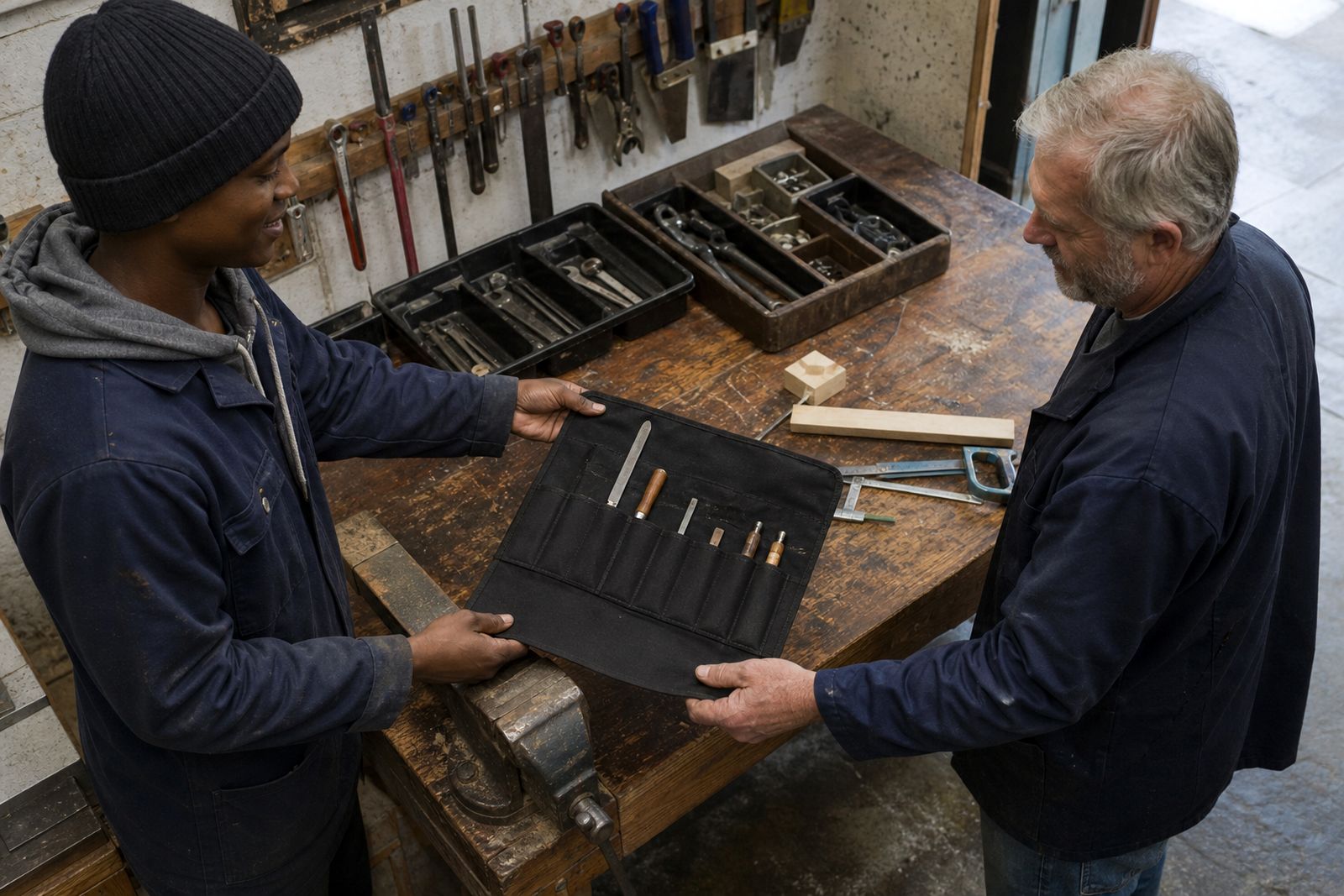
After Cut Clean, the handover note records what was cleared, what still needs parts, and what should not be forced in use. That note can travel with the contact form details so the next person on site does not guess which tray, case, or machine was checked. It suits workshop handovers between yard collection, van delivery, and bench placement.
Cut clean handover pack
The service note lists visible dirt, residue, missing bits, and any prep still required before work starts. You get a short checklist for storage, transport, and first-use checks, written to suit shared benches and small South African workshops. We keep it to pages that can stay clipped to a case lid or tray side without turning into filing.
Before adding extra trays or notes, match this service to the bench where handover usually breaks down. Pair it with the nearest of our contact form details and include the snag, your town, and whether the sticking point is yard collection, paperwork, or prep checks. That gives the next person a usable starting point instead of a vague service request.
- Check sheet for residue and damage
- Storage notes for coast and inland
- Handover record for shared workshop use
- Related: tip notes and projects
Workshop conditions we account for
Cut Clean service takes local storage and transport conditions into account. Gauteng dust settles into hinges and drawer runners, while coastal air can leave light corrosion on exposed steel if packing sits too long. We also watch for damage from tape, shrink wrap, wet cardboard, and loose fasteners after van or bakkie travel.
School shops, startup spaces, and busy repair benches often mix parts between cases, especially after a move or shared use. That is why the service note separates cleaning work from missing-part checks and from items that need supplier follow-up. If the job points to another route, say whether the issue is storage, layout, or power-tool setup before you send the request.
What our Workshop Tool customers say
Verified Google reviews


Tell us about your bench
Send a note through our contact form with the work you do, your bench and wall space, the tools you already have and your town, and we will come back with a practical shortlist and a quote.
Open the contact form